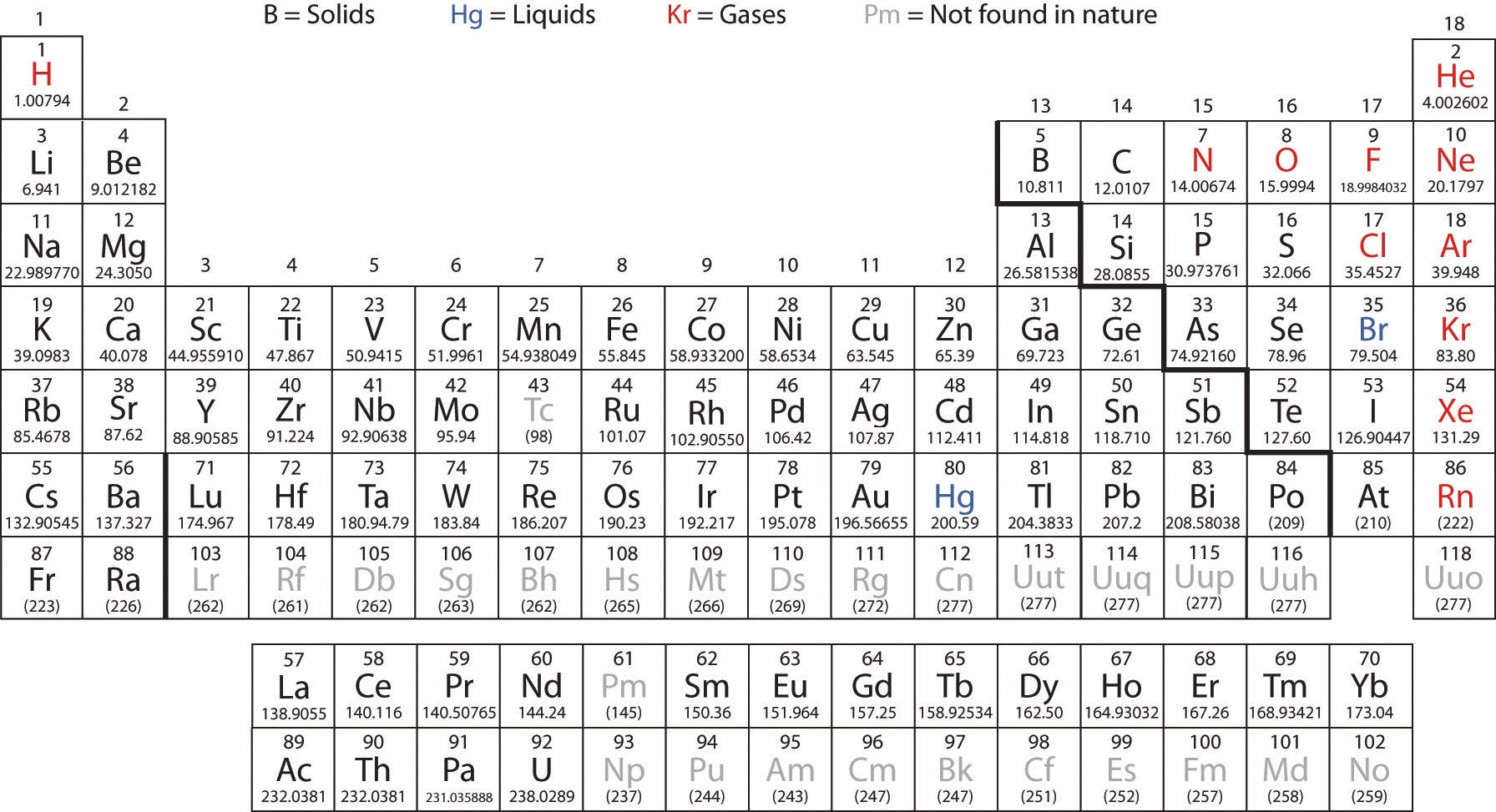
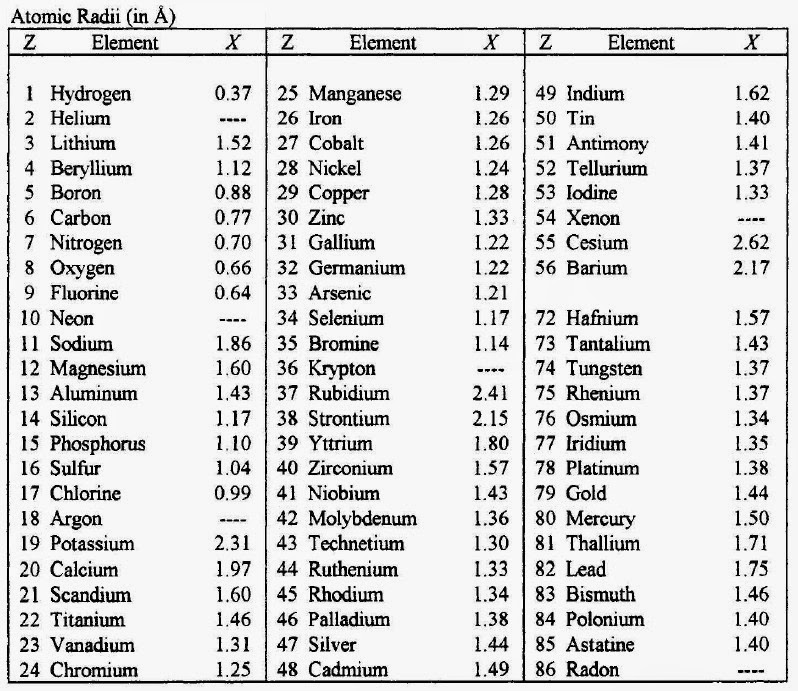
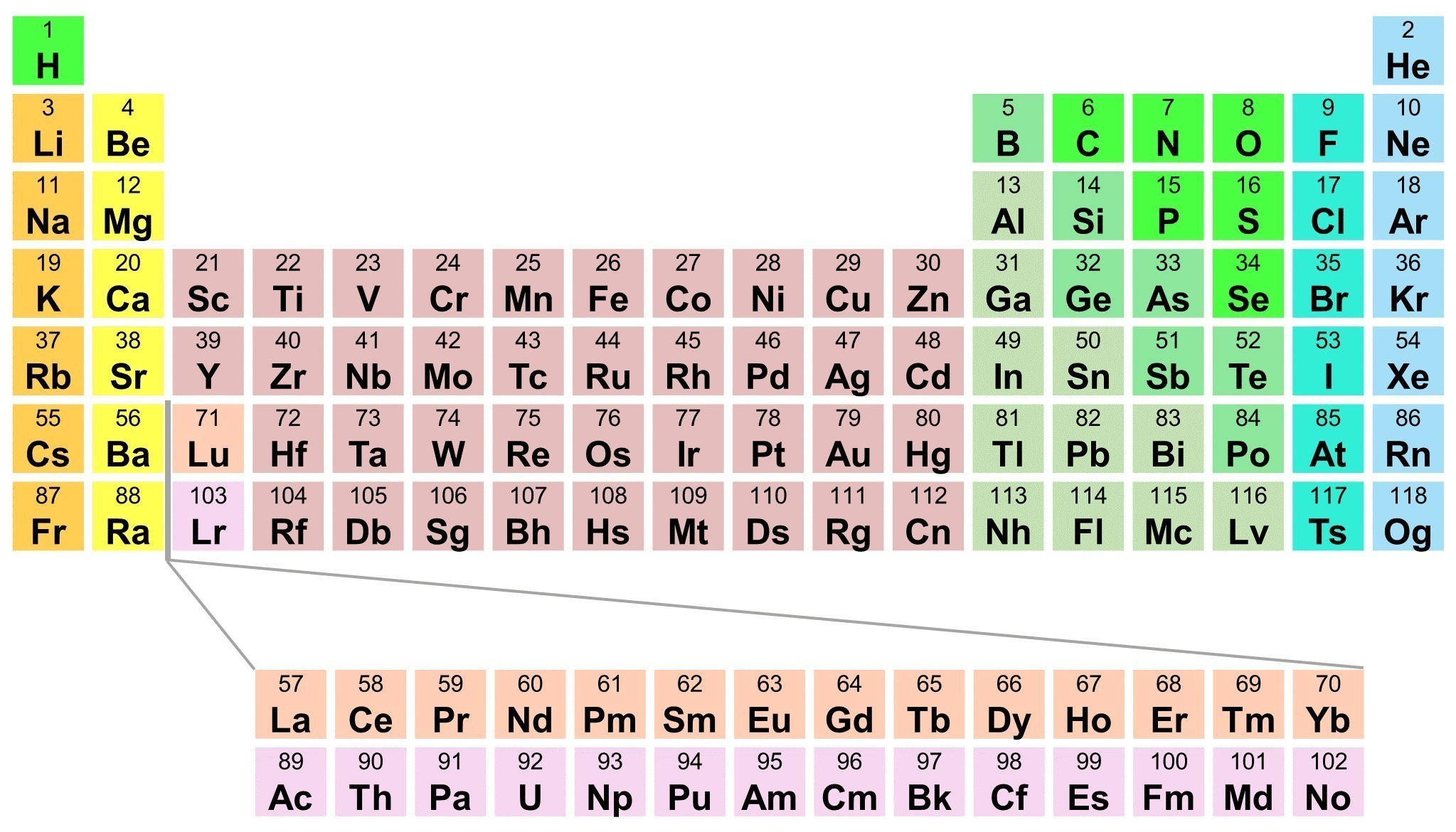
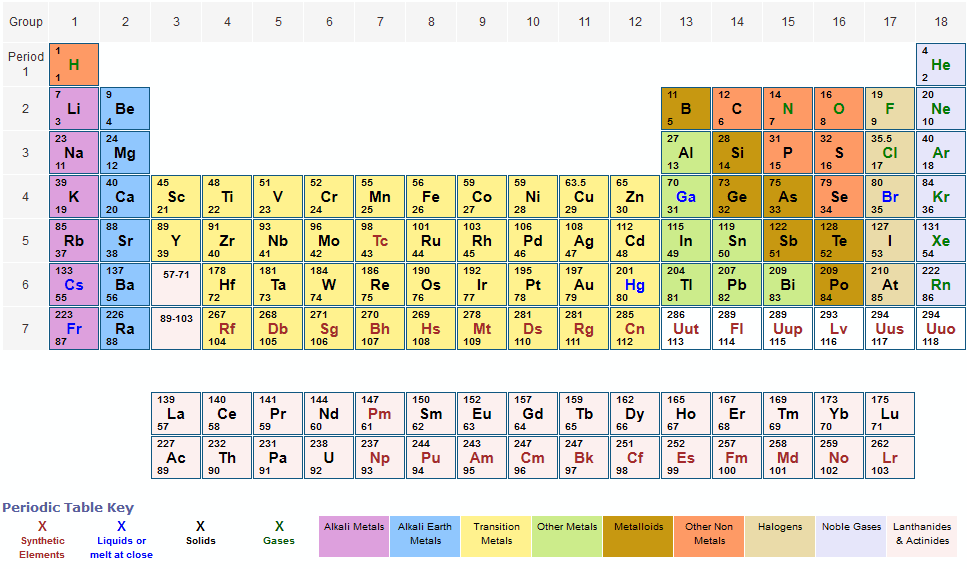
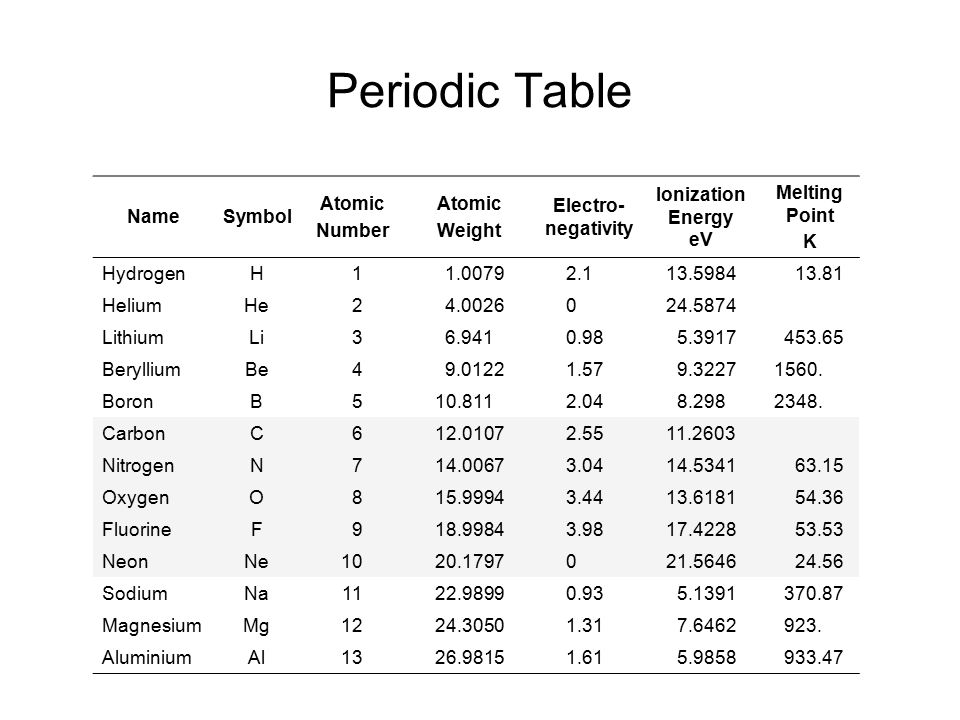
Element Atomic Number: The atomic number (Z), also known as the proton number, is the unique number of protons found in the nucleus of an atom. Every chemical element has its own atomic number, making it the easiest way to identify an element on the periodic table. In a neutral atom, the atomic number is also equal to the number of electrons surrounding the nucleus. For example, Hydrogen has an atomic number of 1, Carbon has 6, Sodium has 11, and Magnesium has 12. Understanding the atomic number of elements is essential for learning atomic structure, electron configuration, chemical properties, and how elements are arranged in the periodic table.
Element Atomic Number
The atomic number of an element is one of the most important concepts in chemistry because it uniquely identifies every chemical element in the periodic table. Also known as the proton number (Z), the atomic number represents the total number of protons in the nucleus of an atom. Since every element has a different number of protons, no two elements share the same atomic number. This value determines an element’s identity, position in the periodic table, electron configuration, and many of its physical and chemical properties.
The atomic number is represented by the symbol Z and is usually displayed above the chemical symbol in the periodic table. For example, Hydrogen (H) has an atomic number of 1, Carbon (C) has 6, and Oxygen (O) has 8. In a neutral atom, the number of electrons is equal to the atomic number, making it easier to understand atomic structure and chemical behavior. Whether you’re learning chemistry for school, competitive exams, or general knowledge, understanding the atomic number of elements is essential for mastering the fundamentals of the periodic table.
The atomic number is significant because it determines the identity of an element. Elements are defined by the number of protons in their nuclei, and even a slight change in the number of protons would result in a different element altogether. For example, if an atom has six protons, it will always be carbon, regardless of the number of neutrons or electrons it possesses. Check out other related posts:- Electronegativity Series, Seaborgium Valence Electrons.
The atomic number is the foundation of the modern periodic table and is used to arrange all chemical elements in increasing order. Because each element has a unique atomic number, scientists can easily identify its position, predict its chemical properties, electron configuration, valency, and understand how it reacts with other elements. This systematic arrangement reveals important trends across periods and groups, making the periodic table an essential tool for students, teachers, researchers, and anyone studying chemistry.
Atomic Number of Elements from 1 to 30
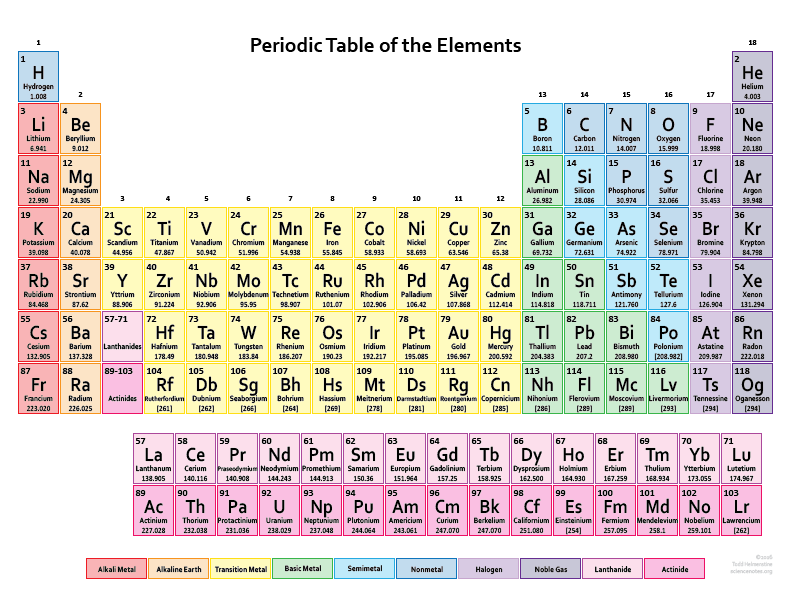
Below, you’ll find a complete Atomic Number Chart of Elements 1 to 30, including each element’s name, chemical symbol, and atomic number. The list begins with Hydrogen (1) and Helium (2) and continues through Lithium, Beryllium, Boron, Carbon, Nitrogen, Oxygen, Fluorine, Neon, Sodium, Magnesium, Aluminum, Silicon, Phosphorus, Sulfur, Chlorine, Argon, Potassium, Calcium, Scandium, Titanium, Vanadium, Chromium, Manganese, Iron, Cobalt, Nickel, Copper, and Zinc (30). This easy-to-read atomic number list is ideal for quick reference, exam preparation, homework, and learning the first 30 elements of the periodic table.
- Hydrogen (H) – Atomic Number 1
- Helium (He) – Atomic Number 2
- Lithium (Li) – Atomic Number 3
- Beryllium (Be) – Atomic Number 4
- Boron (B) – Atomic Number 5
- Carbon (C) – Atomic Number 6
- Nitrogen (N) – Atomic Number 7
- Oxygen (O) – Atomic Number 8
- Fluorine (F) – Atomic Number 9
- Neon (Ne) – Atomic Number 10
- Sodium (Na) – Atomic Number 11
- Magnesium (Mg) – Atomic Number 12
- Aluminum (Al) – Atomic Number 13
- Silicon (Si) – Atomic Number 14
- Phosphorus (P) – Atomic Number 15
- Sulfur (S) – Atomic Number 16
- Chlorine (Cl) – Atomic Number 17
- Argon (Ar) – Atomic Number 18
- Potassium (K) – Atomic Number 19
- Calcium (Ca) – Atomic Number 20
- Scandium (Sc) – Atomic Number 21
- Titanium (Ti) – Atomic Number 22
- Vanadium (V) – Atomic Number 23
- Chromium (Cr) – Atomic Number 24
- Manganese (Mn) – Atomic Number 25
- Iron (Fe) – Atomic Number 26
- Cobalt (Co) – Atomic Number 27
- Nickel (Ni) – Atomic Number 28
- Copper (Cu) – Atomic Number 29
- Zinc (Zn) – Atomic Number 30
The first 30 elements of the periodic table form the foundation of chemistry and are essential for understanding atomic structure, chemical reactions, and the properties of matter. These elements include nonmetals such as hydrogen, oxygen, and nitrogen, noble gases like helium and neon, metalloids such as silicon, and important metals including sodium, magnesium, iron, copper, and zinc. Every element has a unique atomic number, which equals the number of protons in its nucleus and determines its identity, position in the periodic table, electron configuration, and chemical behavior. Learning the atomic numbers of elements from 1 to 30 is one of the first steps toward mastering chemistry and preparing for school exams and competitive tests.
Elements with Atomic Number and Mass
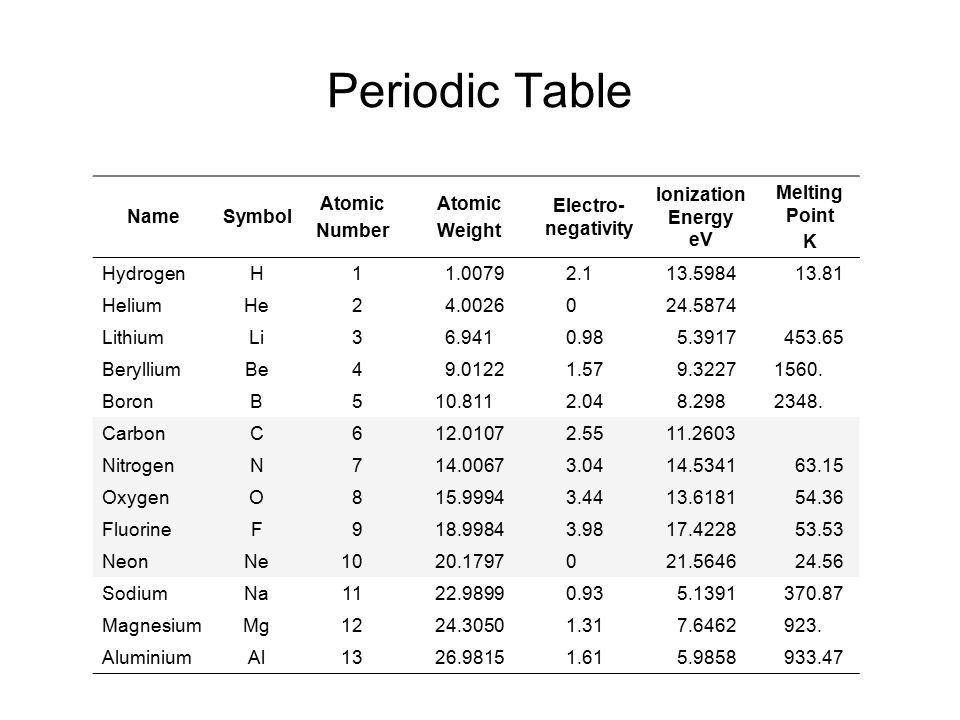
Every chemical element is identified by two important values: its atomic number and atomic mass. The atomic number (Z) is the number of protons present in the nucleus of an atom and uniquely identifies an element. The atomic mass is the weighted average mass of an element’s naturally occurring isotopes and is measured in atomic mass units (amu). While the atomic number remains constant for a specific element, the atomic mass may vary because different isotopes contain different numbers of neutrons. Understanding the relationship between atomic number, atomic mass, protons, neutrons, and electrons helps explain the structure of atoms and makes it easier to study the periodic table, chemical bonding, and the physical and chemical properties of elements.

Let’s take a look at a few examples of elements with their corresponding atomic numbers and atomic masses:
- Hydrogen (H):
- Atomic number (Z): 1
- Atomic mass (A): 1.00794 atomic mass units (amu)
- Carbon (C):
- Atomic number (Z): 6
- Atomic mass (A): 12.0107 amu
- Oxygen (O):
- Atomic number (Z): 8
- Atomic mass (A): 15.9994 amu
- Sodium (Na):
- Atomic number (Z): 11
- Atomic mass (A): 22.98976928 amu
- Iron (Fe):
- Atomic number (Z): 26
- Atomic mass (A): 55.845 amu
These examples represent a range of elements from different parts of the periodic table. It’s important to note that atomic masses are often not whole numbers due to the presence of isotopes, which are atoms of the same element with different numbers of neutrons. The atomic mass listed is usually an average of the different isotopes, taking into account their relative abundances.
How to Find an Element’s Atomic Number
Finding an element’s atomic number is quick and easy when you know where to look. The periodic table is the best tool for identifying the atomic number of any chemical element. Follow these simple steps:
1. Open the Periodic Table
Start by using a periodic table of elements. Every element is arranged in increasing order of its atomic number (Z), making it easy to locate any element.
2. Find the Element Symbol
Locate the chemical symbol of the element you want to identify. Each element has a unique one- or two-letter symbol, such as:
- H = Hydrogen
- C = Carbon
- O = Oxygen
- Na = Sodium
- Fe = Iron
3. Check the Atomic Number
The atomic number is usually displayed above the element’s symbol on the periodic table. This number tells you the total number of protons in the nucleus of that atom.
For example:
- Hydrogen (H) → Atomic Number: 1
- Carbon (C) → Atomic Number: 6
- Oxygen (O) → Atomic Number: 8
- Iron (Fe) → Atomic Number: 26
4. Understand Why the Atomic Number Matters
The atomic number is one of the most important properties of a chemical element. It:
- Uniquely identifies every element.
- Determines the number of protons in the nucleus.
- Equals the number of electrons in a neutral atom.
- Decides the element’s position in the periodic table.
- Helps predict an element’s physical and chemical properties.
Quick Tip
Formula:
Atomic Number (Z) = Number of Protons
For a neutral atom:
Atomic Number = Number of Protons = Number of Electrons
Using the periodic table is the fastest and most accurate way to find an element’s atomic number, whether you’re studying chemistry, preparing for exams, or learning about the periodic table.
If you don’t have immediate access to a physical periodic table, numerous online resources and mobile applications provide interactive versions of the periodic table that can easily searched and accessed. These tools can quickly provide you with an element’s atomic number and other related information.
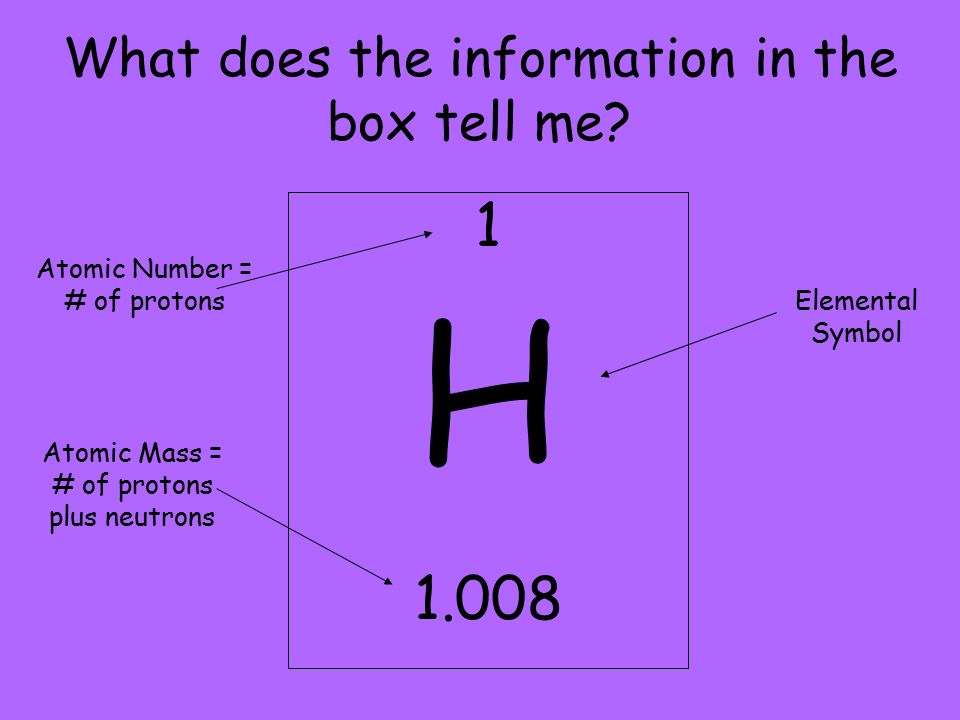
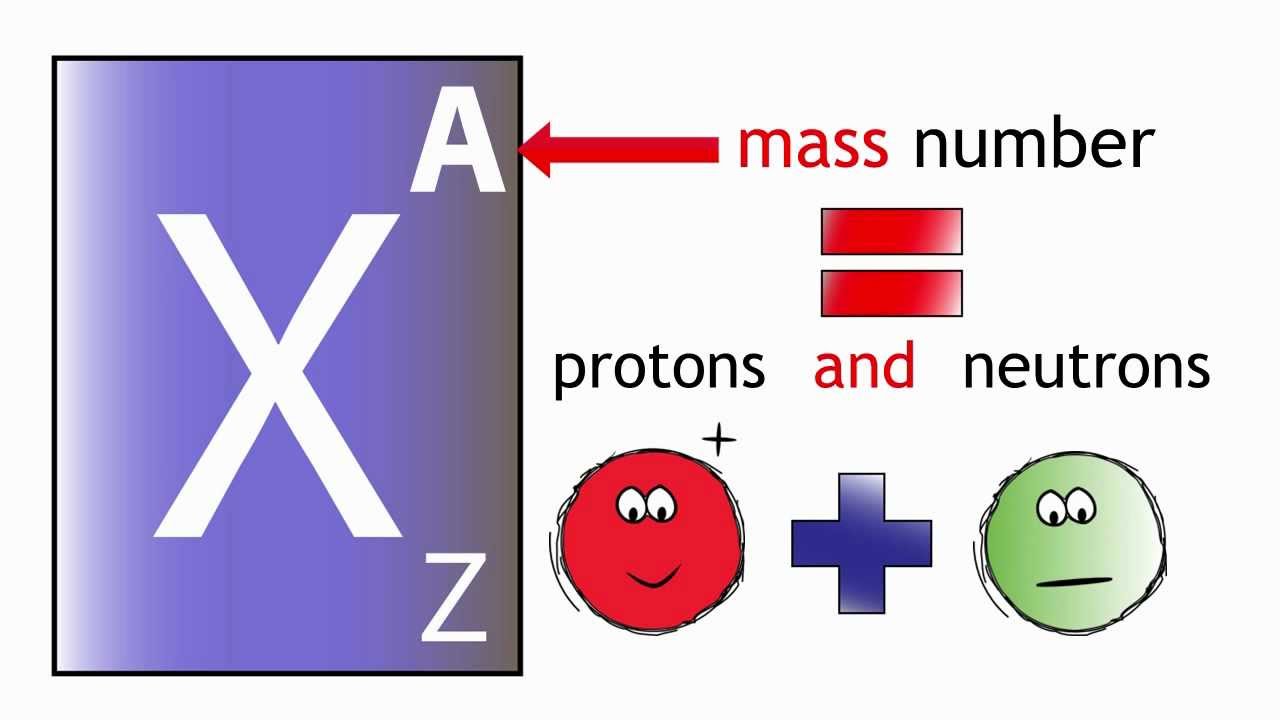
Atomic number = number of protons, and mass-number = number of protons + number of the neutron. You can check the atomic number of the element in the picture below.
Frequently Asked Questions (FAQs)
Q: What is the atomic number of an element?
A: The atomic number is the number of protons present in the nucleus of an atom.
Q: Is atomic number equal to electrons?
A: Yes. In a neutral atom, the number of electrons equals the atomic number.
Q: What is the difference between atomic number and atomic mass?
A: Atomic number counts only protons, while atomic mass is the average mass of an atom based on its naturally occurring isotopes.
Q: Why is atomic number important?
A: It identifies every chemical element, determines its position in the periodic table, and helps predict its physical and chemical properties.
Q: Which element has atomic number 26?
A: Iron (Fe).
Q: Which element has atomic number 79?
Gold (Au).
The element atomic number is one of the most fundamental concepts in chemistry because it uniquely identifies every chemical element. It determines the number of protons in an atom, its position in the periodic table, electron arrangement, and chemical behavior. Whether you’re studying the first 30 elements or the complete periodic table, understanding atomic numbers makes learning chemistry much easier and provides the foundation for exploring atomic structure, chemical reactions, and modern science.