Cobalt Electron Configuration: Cobalt (Co) is a transition metal with atomic number 27 and the chemical symbol Co. It is a hard, lustrous, silver-gray metal widely used in rechargeable batteries, superalloys, magnets, pigments, and aerospace applications. In nature, cobalt is rarely found in its pure form and is typically extracted from minerals containing nickel and copper. Its excellent strength, corrosion resistance, and magnetic properties make it an essential element in modern technology and industrial manufacturing.. It is an inner transition element that is present in the 4th group of the periodic table.
- Sodium Electron Configuration
- Germanium Electron Configuration
- Carbon Electron Configuration
- Nitrogen Electron Configuration
- Oxygen Electron Configuration
- Fluorine Electron Configuration
- Neon Electron Configuration
- Thorium Electron Configuration
- Protactinium Electron Configuration
- Neptunium Electron Configuration
- Plutonium Electron Configuration
- Americium Electron Configuration
- Nobelium Electron Configuration
- Gold Electron Configuration
- Mercury Electron Configuration
Cobalt Electron Configuration
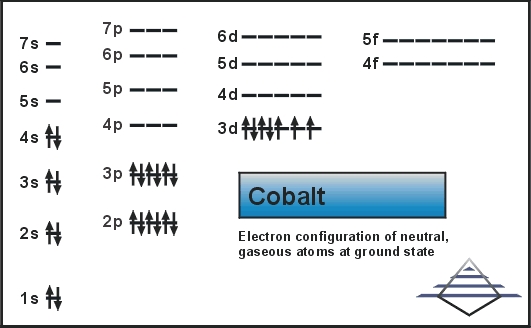
One of the most important concepts in chemistry is the electronic configuration of Cobalt, which describes how its 27 electrons are arranged within different energy levels and atomic orbitals. Understanding the electron configuration of Co (Atomic Number 27) helps explain its chemical properties, oxidation states, bonding behavior, magnetic characteristics, and position in the periodic table. In this guide, you’ll learn the complete Cobalt electron configuration, orbital notation, shell-wise electron distribution, valence electrons, and other important facts in a simple, easy-to-understand format.
1s22s22p63s23p63d74s2.
- Fluorine Electron Configuration
- Neon Electron Configuration
- Vanadium Electron Configuration
- Clorine Electron Configuration
- Clorine Valence Electrons
- Argon Valence Electrons
- Potassium Valence Electrons
- Technetium Valence Electrons
- Vanadium Valence Electrons
- Manganese Valence Electrons
- Cobalt Valence Electrons
- Copper Valence Electrons
- Gallium Valence Electrons
- Arsenic Valence Electrons
Electron Configuration For Cobalt ion
Electron distribution of electrons in atom or molecules is defined as electron configuration and electron configuration for cobalt ion can be represented as:
1s22s22p63s23p63d74s2. Or [Ar]3d74s2.
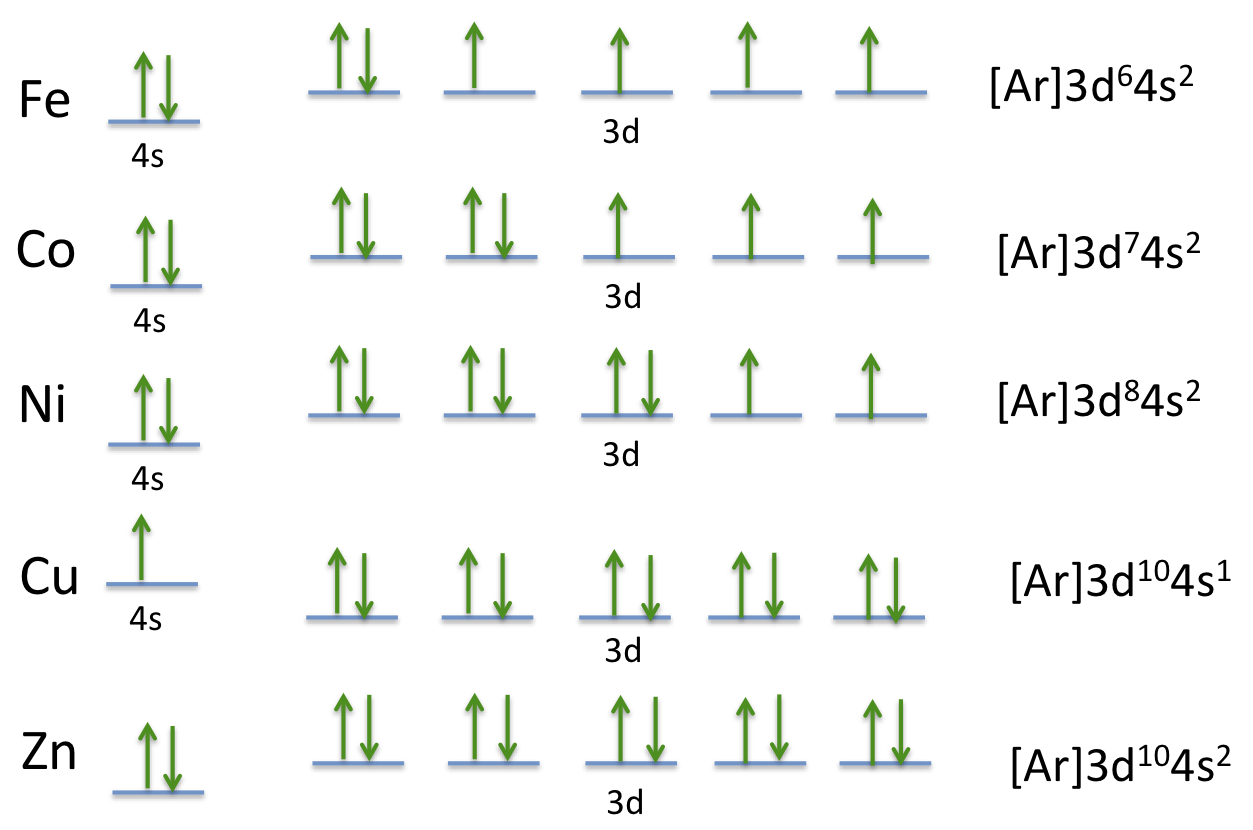
Full Electron Configuration For Cobalt
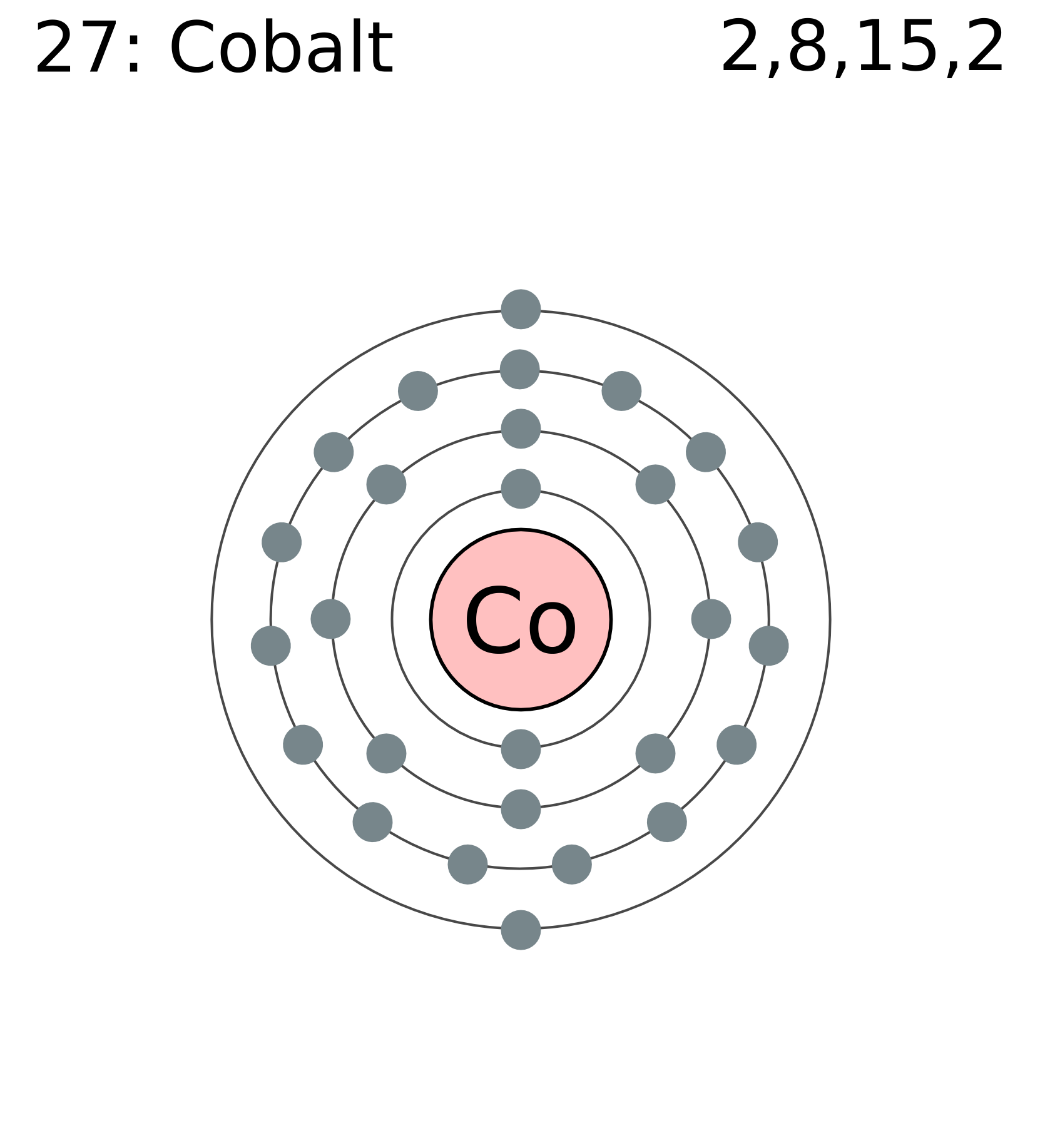
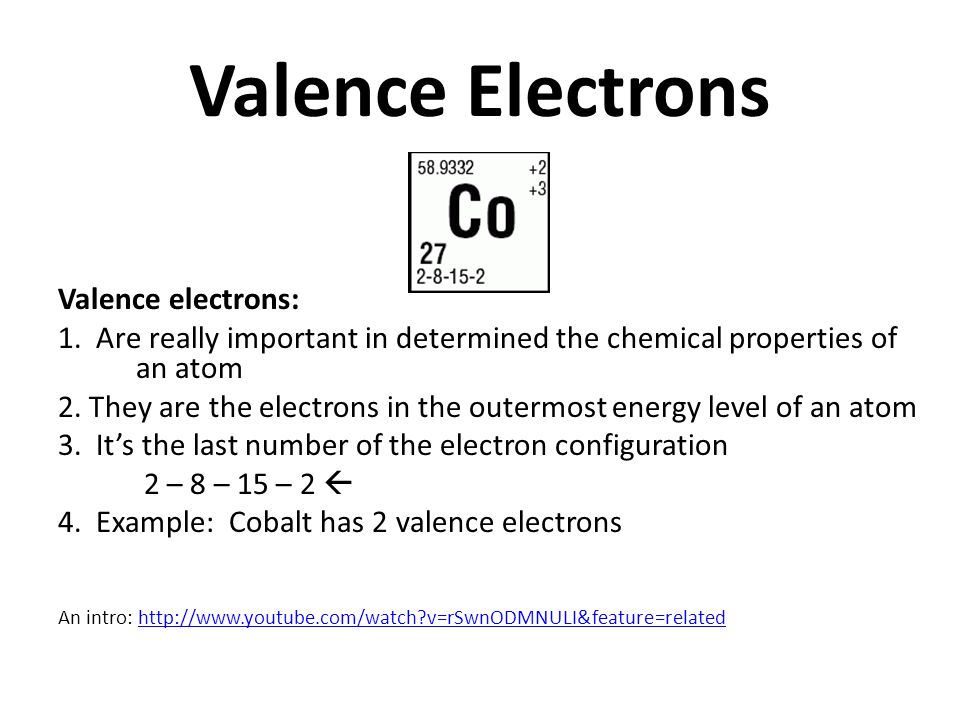
Full electron configuration can be defined as 27 electrons distribution in 4 shells of Co element. There are 2, 8, 15, 2 elements present in the 4 orbits of cobalt and can be represented in this form: 1s22s22p63s23p63d74s2.
What Is the Electron Configuration of Cobalt (Co)?
The electron configuration of Cobalt (Co), which has an atomic number of 27, is 1s² 2s² 2p⁶ 3s² 3p⁶ 3d⁷ 4s². This electron arrangement shows how the 27 electrons of a cobalt atom are distributed among its energy levels and atomic orbitals according to the Aufbau principle.
In shell notation, the electron distribution of Cobalt is 2, 8, 15, 2, meaning the electrons occupy four electron shells. Because cobalt is a transition metal in the d-block of the periodic table, its outer electrons are found in both the 4s and 3d orbitals, giving the element its unique magnetic properties, multiple oxidation states, and important role in industrial and scientific applications.
Electron Configuration of Cobalt (Co):
1s² 2s² 2p⁶ 3s² 3p⁶ 3d⁷ 4s²
Shell-wise Electron Distribution: 2, 8, 15, 2
How Many Valence Electrons are in Cobalt
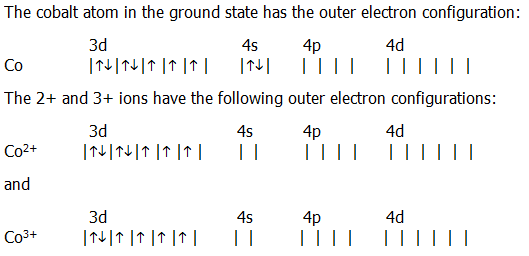
Valence electrons are e– (electrons) of the atom present in the outermost shell. And in the case of cobalt, there are 8 valence electrons.
Understanding the electron configuration of Cobalt (Co) is essential for learning its chemical behavior, oxidation states, magnetic properties, and position in the periodic table. With an atomic number of 27, cobalt has the electron configuration 1s² 2s² 2p⁶ 3s² 3p⁶ 3d⁷ 4s² and a shell-wise distribution of 2, 8, 15, 2. Whether you’re a student preparing for chemistry exams or simply exploring electron configurations, knowing how cobalt’s electrons are arranged makes it easier to understand its bonding, reactivity, and industrial applications. Bookmark this guide for a quick and reliable reference to the Cobalt electron configuration, orbital notation, and related chemistry concepts.
Leave a Reply