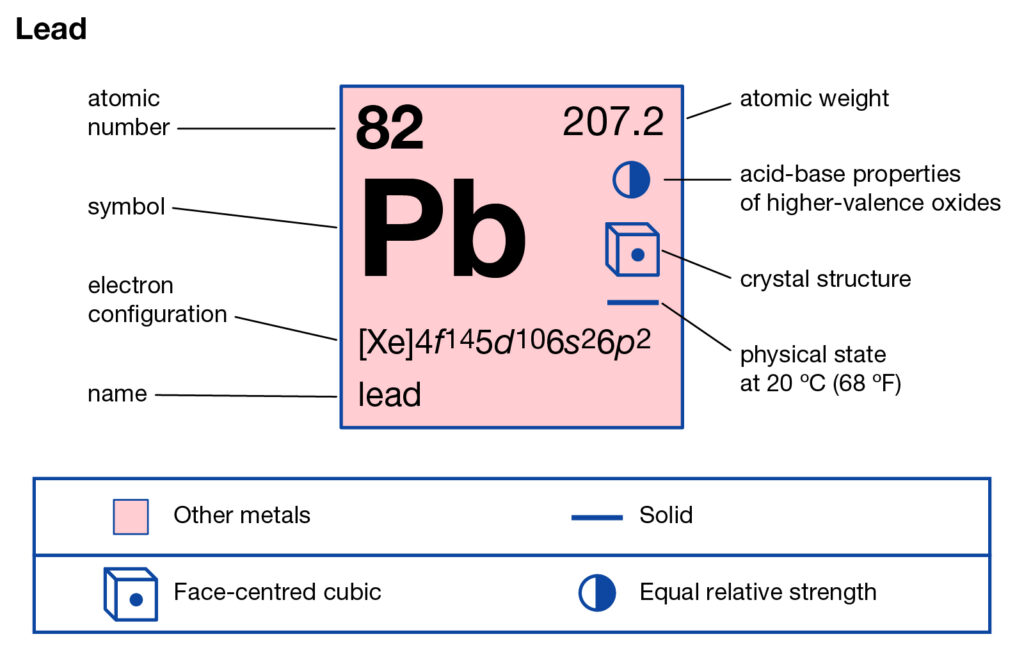
Understanding the lead electron configuration helps explain how this heavy metal behaves in chemical reactions and why it forms different compounds. Lead (Pb) is a chemical element with atomic number 82 and belongs to Group 14 of the periodic table. It is a dense, soft, and malleable post-transition metal known for its low melting point, excellent corrosion resistance, and wide use in batteries, radiation shielding, construction materials, and industrial applications. Learning the electron arrangement of lead makes it easier to understand its chemical properties and bonding behavior.
- Hydrogen Electron Configuration
- Silicon Electron Configuration
- Helium Electron Configuration
- Lithium Electron Configuration
- Aluminum Electron Configuration
- Beryllium Electron Configuration
- Boron Electron Configuration
- Scandium Electron Configuration
- Sulfur Electron Configuration
- Sodium Electron Configuration
- Germanium Electron Configuration
- Carbon Electron Configuration
- Nitrogen Electron Configuration
- Oxygen Electron Configuration
- Fluorine Electron Configuration
- Neon Electron Configuration
This metal has a low melting point and soft and malleable. This is easy to cut. This metal is silvery and slightly blue but turns to be dull grey when came in contact of air.
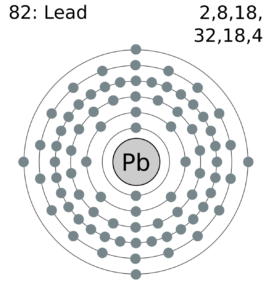
This element has 82 number of electrons present in its 6 orbits. The distribution of electrons is 2, 8, 18, 32, 18, and 4.
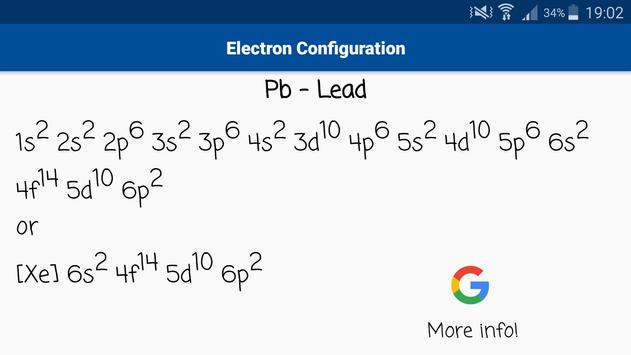
Electronic configuration for lead can be written as: 1s22s22p63s23p63d104s24p64d104f145s25p65d106s26p2
Or
[Xe] 4f145d106s26p2
Lead Valence Electrons
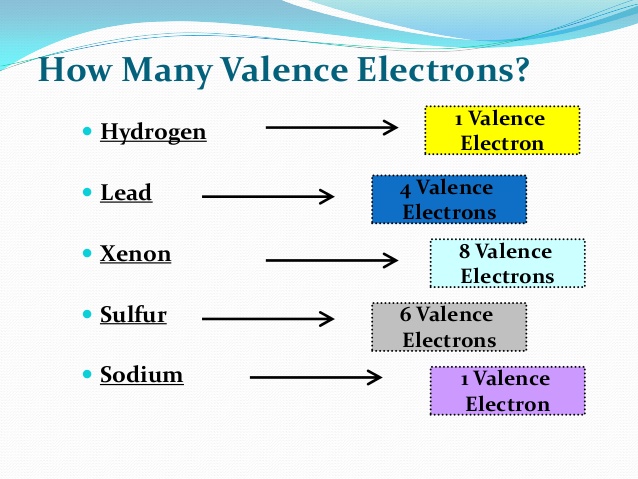
Valence electrons are electrons in the outer most shell or orbit and there are 4 valence electrons present in the lead (Pb) outermost shell.
Full Electron Configuration For Lead
Full electron configuration for lead is 1s22s22p63s23p63d104s24p64d104f145s25p65d106s1.
Or it can also be written as
[Xe] 4f145d106s1
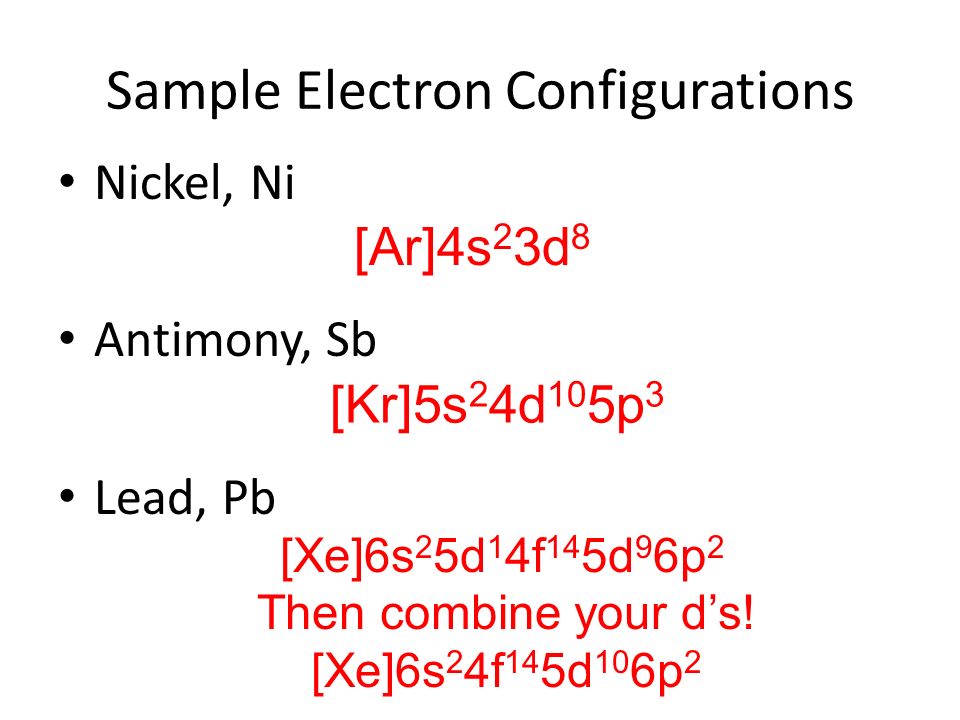
What is The Electron Configuration of Lead
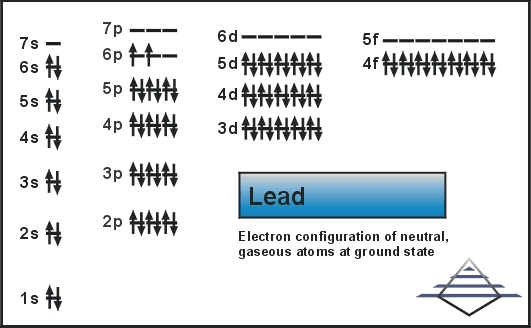
Electrons distribution in the orbit of atom or molecule is termed as electron configuration. And electron configuration of Pb (lead) is defined as 1s22s22p63s23p63d104s24p64d104f145s25p65d106s1.
How Many Valence Electrons Does Lead have
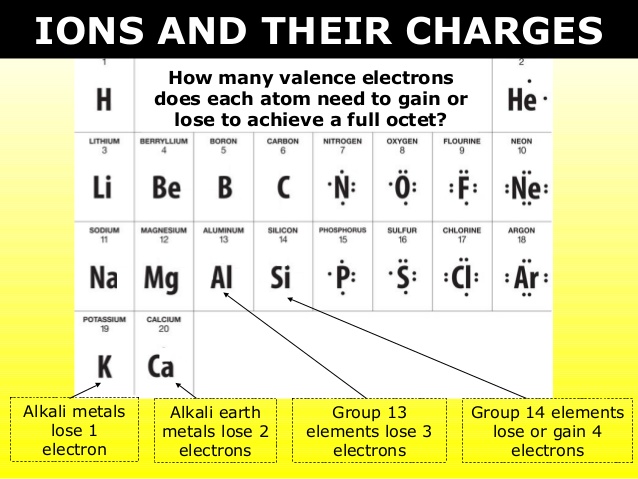
Valence electrons are the electrons present in the outermost energy level of an atom and play a key role in chemical bonding. Lead (Pb) has 4 valence electrons located in its 6th (outermost) shell, giving it the electron configuration 6s² 6p² in the valence shell. These four valence electrons allow lead to form stable chemical bonds and commonly exhibit +2 and +4 oxidation states. Understanding the lead valence electrons is essential for learning its Lewis structure, bonding characteristics, chemical reactions, and periodic trends.