Understanding the hydrogen electron configuration (H) is one of the first and most important concepts in chemistry. Hydrogen is the simplest element on the periodic table, making it an ideal starting point for learning how electrons are arranged around an atom. Whether you’re a student preparing for an exam or simply curious about atomic structure, knowing hydrogen’s electron configuration will help you understand chemical bonding, periodic trends, and electron behavior.
In this guide, you’ll learn how to find the hydrogen electron configuration, why it matters, and an easy step-by-step method to remember it.
- Oxygen Electron Configuration
- Fluorine Electron Configuration
- Neon Electron Configuration
- Thorium Electron Configuration
- Protactinium Electron Configuration
- Neptunium Electron Configuration
- Plutonium Electron Configuration
- Americium Electron Configuration
- Nobelium Electron Configuration
- Gold Electron Configuration
- Mercury Electron Configuration
- Flerovium Valence Electrons
- Moscovium Valence Electrons
- Livermorium Valence Electrons
- Tennessine Valence Electrons
- Oganesson Valence Electrons
- Neptunium Valence Electrons
- Plutonium Valence Electrons
- Americium Valence Electrons
- Antimony Valence Electrons
- Tellurium Valence Electrons
- Iodine Valence Electrons
- Xenon Valence Electrons
- Caesium Valence Electrons
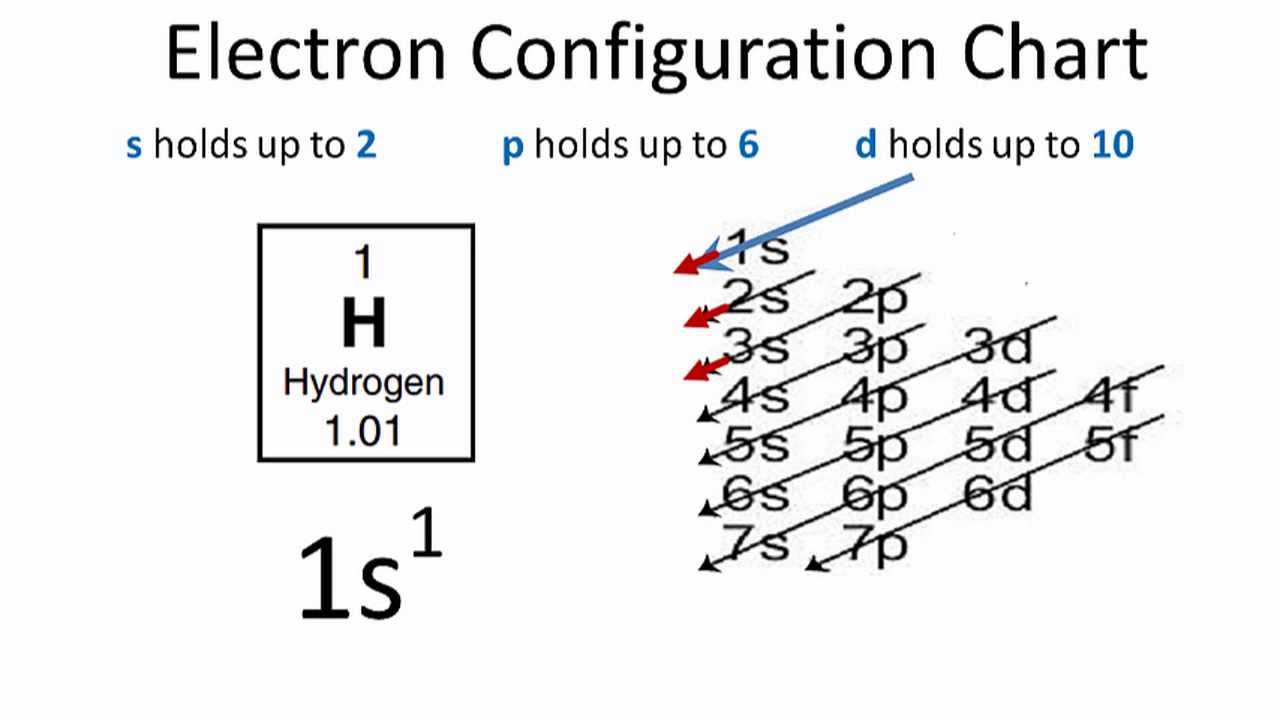
Electronic configuration of Hydrogen can be written as 1s1.
As in the case of the Hydrogen element, there is only one electron which is present in one shell.
Hydrogen Electron Configuration
Electrons distribution in the atom’s orbit is termed as electron configuration. Hydrogen as the monatomic element has only one electron and its full electron configuration can be defined as 1s1. Its one electron is present in the 1s orbit of the Hydrogen atom.
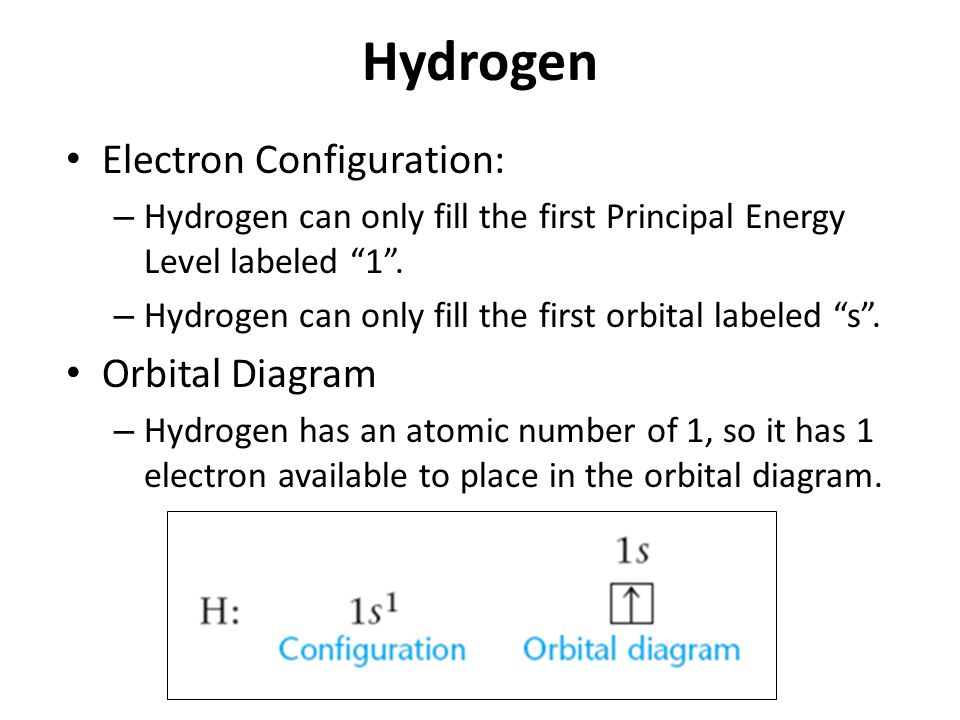
What is The Electron Configuration of H2
Electron configuration is the number of electrons that are present in the orbit of atom or molecules. The electron configuration of H2 is 1s1.
Steps to Find the Hydrogen Electron Configuration
Finding hydrogen’s electron configuration is straightforward if you follow these simple steps:
Step 1: Find the Atomic Number
Look up hydrogen on the periodic table. Its atomic number is 1.
Step 2: Determine the Number of Electrons
In a neutral hydrogen atom, the number of electrons equals the atomic number.
Hydrogen has 1 electron.
Step 3: Fill the Lowest Energy Orbital
According to the Aufbau Principle, electrons always occupy the lowest energy orbital available first.
The first orbital is 1s, which can hold up to two electrons.
Since hydrogen has only one electron, it is written as:
1s¹
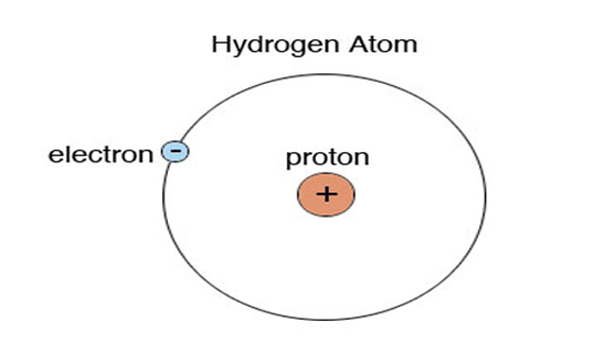
How Many Valence Electrons are in Hydrogen
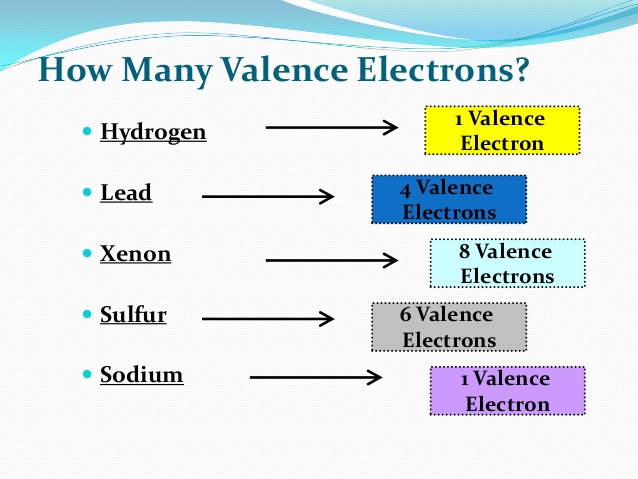
The valence electrons are those electrons that are present in the outermost shell of the atom. But in the case of hydrogen, there is only one electron that is present in its first shell. So, the valence electron of hydrogen is also one. Or The number of valence electrons in Hydrogen is 1 (one).
Hydrogen Electron Configuration at a Glance
|
Property |
Value |
|
Element |
Hydrogen |
|
Symbol |
H |
|
Atomic Number |
1 |
| Number of Electrons |
1 |
| Electron Configuration |
1s¹ |
|
Valence Electrons |
1 |
| Period |
1 |
| Group |
1 |
Frequently Asked Questions
Q: What is the electron configuration of hydrogen?
A: The electron configuration of hydrogen is 1s¹ because hydrogen has one electron occupying the first s orbital.
Q: Why does hydrogen have only one electron?
A: Hydrogen has an atomic number of 1, meaning it contains one proton in its nucleus. A neutral hydrogen atom therefore has one electron.
Q: What is hydrogen’s valence electron?
Q: Hydrogen has one valence electron, located in the 1s orbital.
Q: Is hydrogen’s electron configuration always 1s¹?
A: Yes. A neutral hydrogen atom has the electron configuration 1s¹. However, hydrogen ions (H⁺ or H⁻) have different electron arrangements because they lose or gain electrons.
The hydrogen electron configuration (1s¹) is the simplest electron arrangement in chemistry and serves as the foundation for understanding atomic structure. By knowing hydrogen’s atomic number, applying the Aufbau Principle, and filling the lowest-energy orbital first, you can easily determine its electron configuration. Mastering this concept makes it much easier to understand chemical bonding, periodic trends, and the electron configurations of more complex elements.
Leave a Reply