Electronegativity Series: Electronegativity is one of the most important concepts in chemistry and plays a major role in understanding how atoms form chemical bonds. If you’ve studied the periodic table, you’ve likely come across this term. In simple words, electronegativity refers to an atom’s ability to attract shared electrons in a chemical bond. Every chemical element has a specific electronegativity value, making it easier to predict chemical reactions, bond polarity, and molecular behavior.
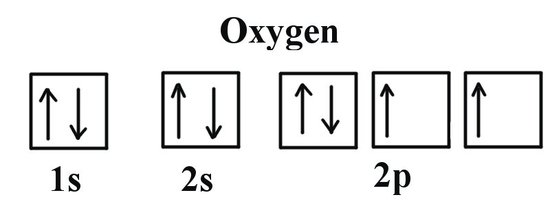
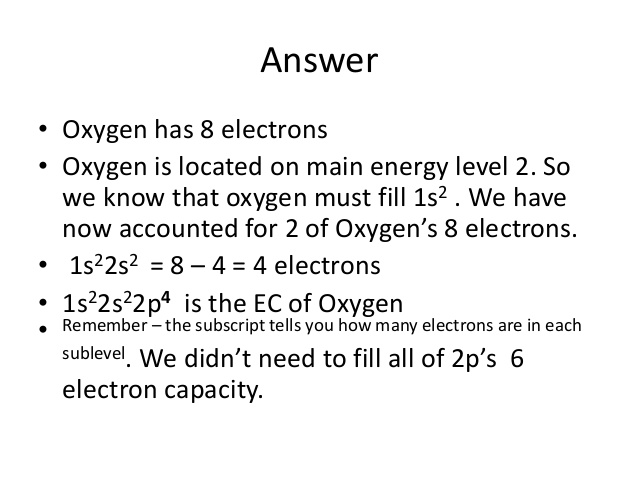
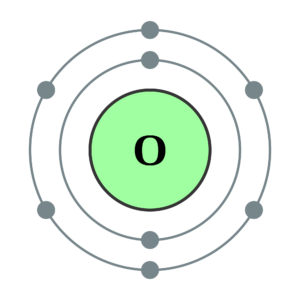
- Oxygen Electron Configuration
- Fluorine Electron Configuration
- Neon Electron Configuration
- Thorium Electron Configuration
- Protactinium Electron Configuration
- Neptunium Electron Configuration
- Plutonium Electron Configuration
- Americium Electron Configuration
- Nobelium Electron Configuration
- Gold Electron Configuration
- Mercury Electron Configuration
- Flerovium Valence Electrons
- Moscovium Valence Electrons
- Livermorium Valence Electrons
- Tennessine Valence Electrons
- Oganesson Valence Electrons
- Neptunium Valence Electrons
- Plutonium Valence Electrons
- Americium Valence Electrons
- Antimony Valence Electrons
- Tellurium Valence Electrons
- Iodine Valence Electrons
- Xenon Valence Electrons
- Caesium Valence Electrons
The concept of electronegativity was introduced by renowned American chemist Linus Pauling, who developed the famous Pauling Electronegativity Scale. His work transformed modern chemistry by providing a standard way to compare how strongly different atoms attract electrons. Today, electronegativity values are widely used in chemistry, material science, engineering, and academic research to explain the behavior of chemical elements.
Electronegativity Series
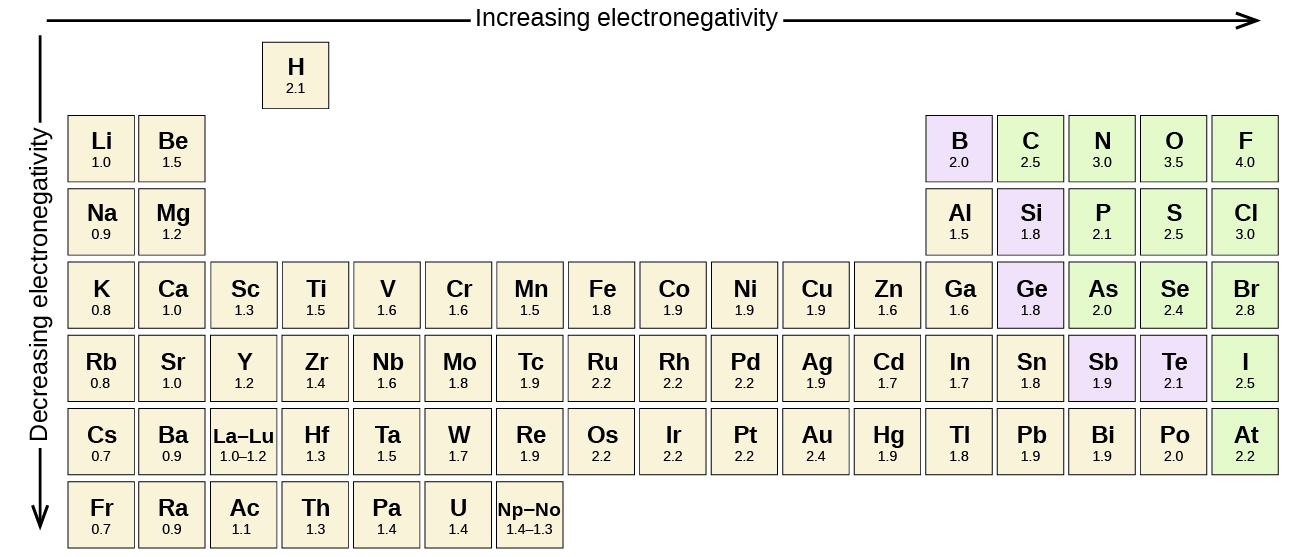
Every chemical element is made up of atoms, and each atom has a natural tendency to attract electrons. The higher an element’s electronegativity value, the stronger its pull on bonding electrons. Elements with high electronegativity, such as fluorine, attract electrons very strongly, while metals like sodium and potassium have much lower electronegativity. Understanding these values helps explain ionic bonds, covalent bonds, and the overall reactivity of elements.
Increasing Trend of Electronegativity
The easiest way to understand the electronegativity trend is by studying the periodic table. Every element is arranged according to its atomic structure and chemical properties, making the periodic table an essential tool for learning periodic trends. By examining an electronegativity chart, students can quickly compare the electron-attracting ability of different elements and understand why certain atoms bond more readily than others.
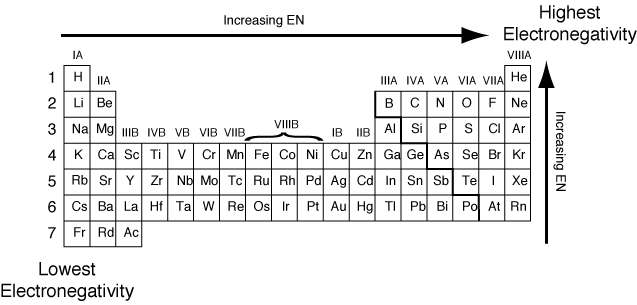
If you look carefully at the periodic table, you’ll notice that electronegativity generally increases from left to right across a period. This happens because the nuclear charge increases while the atomic radius decreases, allowing atoms to attract shared electrons more effectively. This left-to-right increase is one of the most important periodic table trends taught in chemistry and is frequently used to predict chemical behavior.
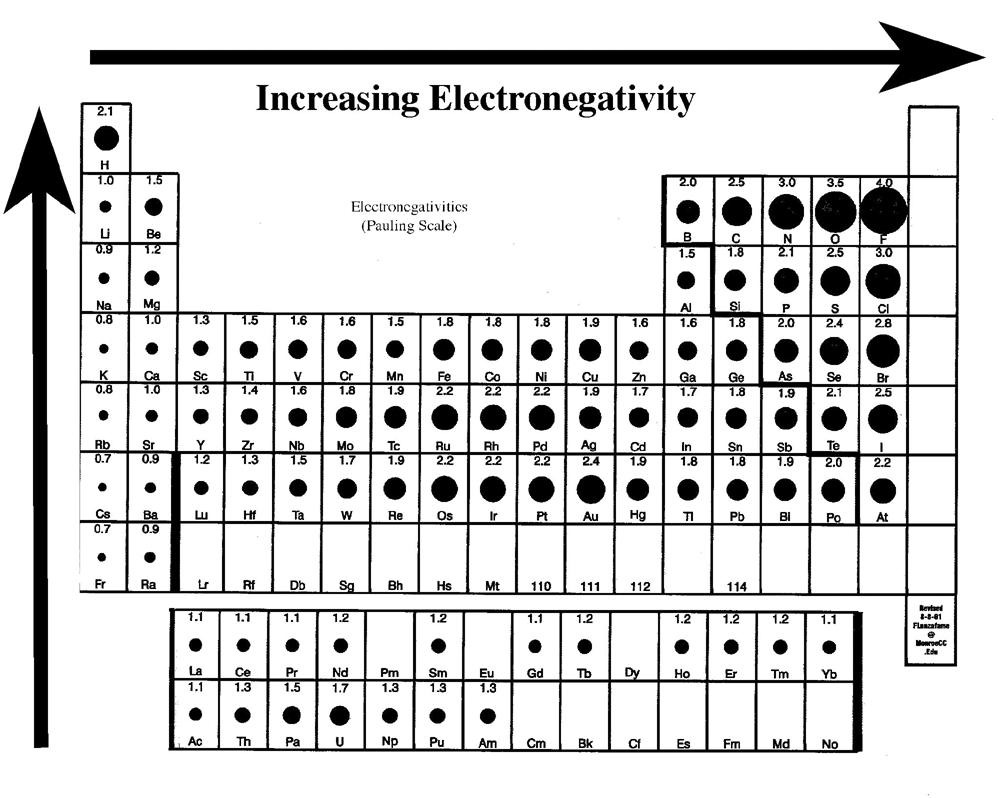
Overall, the electronegativity periodic table trend makes it easy to compare the electron-attracting power of every chemical element. Elements located on the upper-left side of the periodic table typically have lower electronegativity, while those toward the upper-right corner have much higher values, with fluorine being the most electronegative element. Learning this trend helps students understand chemical bonding, molecular polarity, and many other fundamental concepts in chemistry.
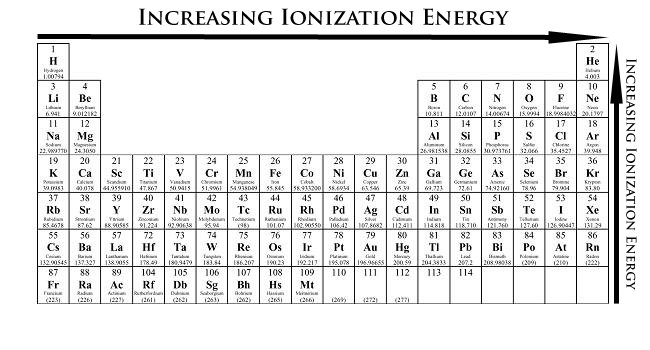
This order can be represented as F>O>N>C in the increasing trend which is used to explain the properties of organic compounds in a systematic manner. In this trend, the elements, which have lower electronegativity are known as the electropositive elements.