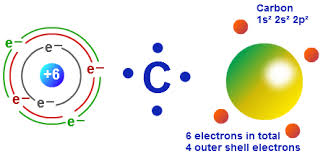
Hello friends! If you’re studying chemistry, understanding carbon valence electrons is one of the most important concepts because it explains how carbon forms millions of compounds. Carbon (C) has an atomic number of 6, which means it contains 6 electrons. Its electron configuration is 1s² 2s² 2p², giving it 4 valence electrons in its outermost shell. These four electrons allow carbon to form strong covalent bonds with many elements, making it the foundation of organic chemistry and all known life.
- Flerovium Valence Electrons
- Mercury Valence electrons
- Moscovium Valence Electrons
- Bismuth Valence electrons
- Livermorium Valence Electrons
- Radon Valence electrons
- Tennessine Valence Electrons
- Antimony Valence Electrons
- Oganesson Valence Electrons
- Tellurium Valence Electrons
- Nobelium Valence Electrons
- Xenon Valence Electrons
- Neptunium Valence Electrons
- Cesium valence electrons
- Plutonium Valence Electrons
- Iodine Valence Electrons
- Americium Valence Electrons
- Radium Valence Electrons
- Gold Valence electrons
- Lead Valence electrons
- Boron Valence Electrons
- Nitrogen Valence Electrons
- Fluorine Valence Electrons
- Neon Valence Electrons
- Aluminum Valence Electrons
- Phosphorus Valence Electrons
- Sulfur Valence Electrons
- Argon Valence Electrons
- Calcium Valence Electrons
How many valence electrons does carbon have?
Carbon has 4 valence electrons in its outermost shell and needs 4 more electrons to complete its octet. Therefore, the valency of carbon is 4, allowing it to form four strong covalent bonds with other atoms.
Carbon Valence Electrons Dot Diagram
The carbon valence electrons dot diagram (also called the Lewis dot diagram) shows the 4 valence electrons of a carbon atom as dots around the chemical symbol C. This diagram helps explain how carbon forms four covalent bonds to complete its octet in chemical compounds.
Valency of Carbon
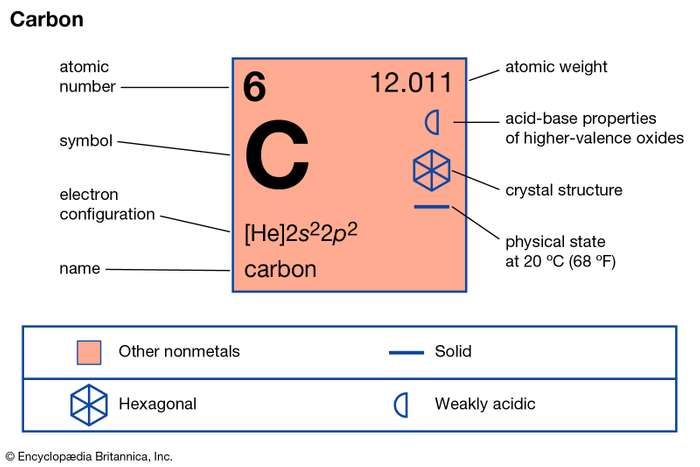
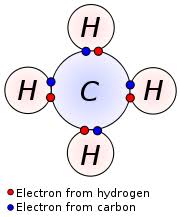
The valency of carbon is 4 (tetravalent) because it needs four more electrons to complete its octet. Carbon belongs to Group 14 (IVA) of the periodic table—not Group 4. The group number indicates that carbon has 4 valence electrons, enabling it to form up to four covalent bonds with atoms such as hydrogen, oxygen, nitrogen, and other carbon atoms. Understanding carbon valence electrons, carbon valency, electron configuration of carbon, and how carbon forms chemical bonds is essential for mastering chemical reactions, molecular structures, and organic compounds.
Valence Electrons in a Carbon Atom in the Ground State
Carbon has 6 electrons in its ground or neutral state. Hence it has 2 electrons in its first shell and 4 electrons in its second or outer shell. Hence it has four valence electrons. The Valence Electrons of Many elements have been provided in this website. Check the Iron Valence Electrons
Leave a Reply