Valency is one of the most important concepts in chemistry because it explains how atoms combine to form molecules and compounds. Simply put, valency is the combining capacity of an element or its ability to gain, lose, or share electrons to achieve a stable electronic configuration. If you’re wondering what is valency with examples, think of it as the number of chemical bonds an atom can make. For example, Hydrogen has a valency of 1, Oxygen has a valency of 2, Nitrogen has a valency of 3, and Carbon has a valency of 4. Understanding valency makes it easier to predict chemical formulas, balance equations, and learn the periodic table.
What is Valency With Examples
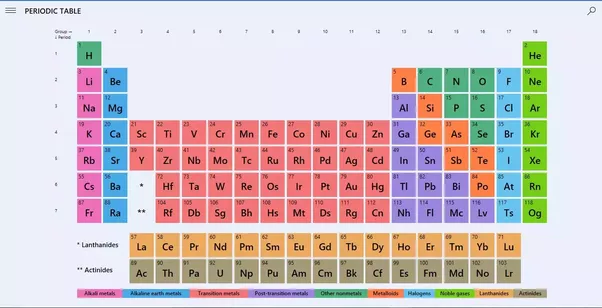
The valency of an element is generally determined by the number of electrons present in its outermost shell (valence electrons). Elements belonging to the same group in the periodic table usually have the same valency because they have a similar number of valence electrons. For instance, all alkali metals (Group 1) have a valency of 1, while alkaline earth metals (Group 2) have a valency of 2. Knowing the definition of valency, its rules, and real-life examples helps students understand chemical bonding, ionic and covalent compounds, and various chemical reactions more effectively.
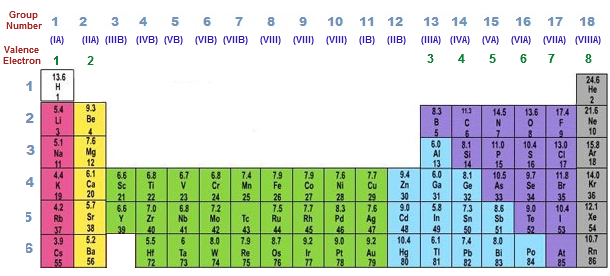
For example, Hydrogen (H) is the first element in the Periodic Table and has one valence electron in its outermost shell. To achieve a stable electron configuration, hydrogen can gain one electron to form H⁻ (hydride ion), lose one electron to form H⁺ (hydrogen ion), or share one electron with another hydrogen atom to create a covalent bond, as seen in the H₂ molecule. Because hydrogen combines using one electron, its valency is 1, making it one of the most important elements in chemical bonding, chemical reactions, and basic chemistry.
Oxygen (O) is a highly reactive non-metal with six valence electrons in its outermost shell. To complete its octet and become stable, oxygen typically gains two electrons to form the oxide ion (O²⁻) or shares two electrons with other atoms through covalent bonds, such as in water (H₂O) and oxygen gas (O₂). Although oxygen can exhibit positive oxidation states in certain compounds, it does not normally lose all six valence electrons to form O⁶⁺. Since oxygen usually forms two chemical bonds, its valency is 2, making it essential for understanding electron configuration, valence electrons, and chemical compounds.
In summary, valency is a crucial concept in chemistry that helps us understand how elements bond to form compounds, and it is determined by the number of electrons an atom can gain, lose, or share to achieve stability. Learn How To Find Valency of Elements here.
How Valency is Calculated For an Element
Valency is determined by the electron configuration of an element’s outermost shell, also known as the valence shell. The valence shell contains the electrons that are involved in chemical bonding. To calculate the valency of an element, we need to look at its position in the periodic table.
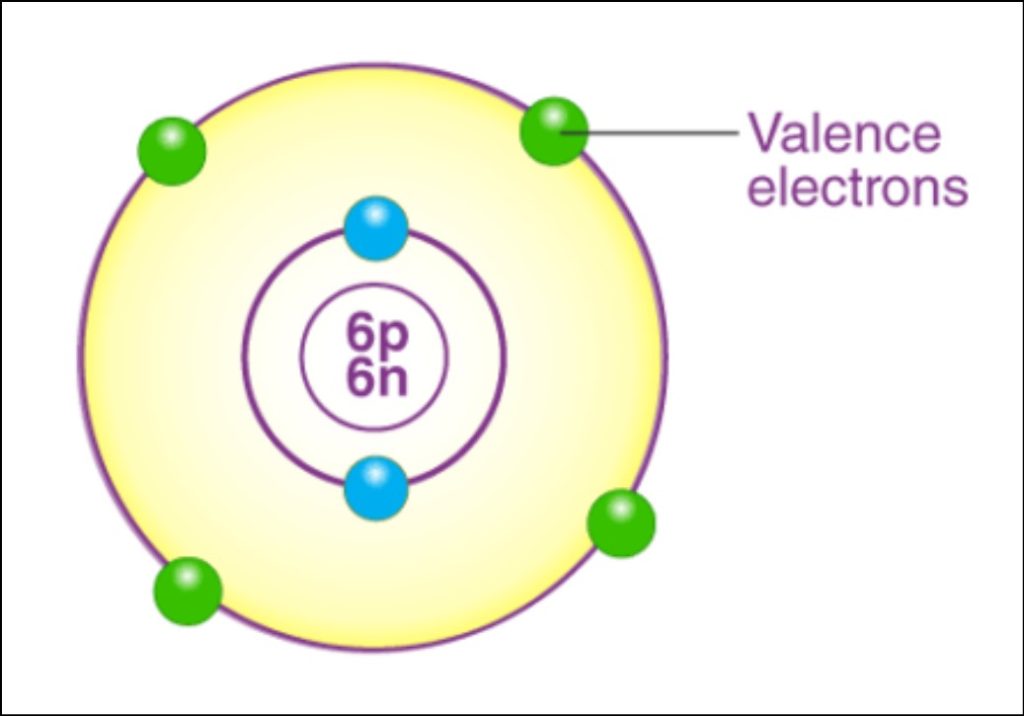
For main-group elements (those in groups 1, 2, 13-18), the valency is typically equal to the group number. And for instance, elements in group 1 (e.g., lithium, sodium) have a valency of 1, while elements in group 2 (e.g., magnesium, calcium) have a valency of 2.
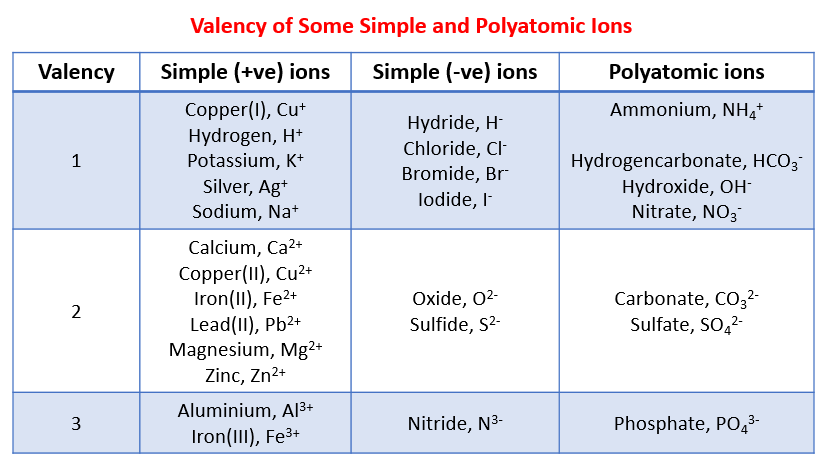
For transition metals (those in groups 3-12), determining valency is slightly more complex. The valency of transition metals can vary depending on the specific compound they form. The valency of transition metals is often indicated using Roman numerals to represent different oxidation states. For example, Iron (Fe) can have a valency of 2 (Fe2+) or 3 (Fe3+), depending on the compound.
To calculate What is Valency With Examples of an element, it’s essential to consider its electronic configuration and its position in the periodic table, keeping in mind the exceptions for transition metals.
How Many Types of Valency Are There
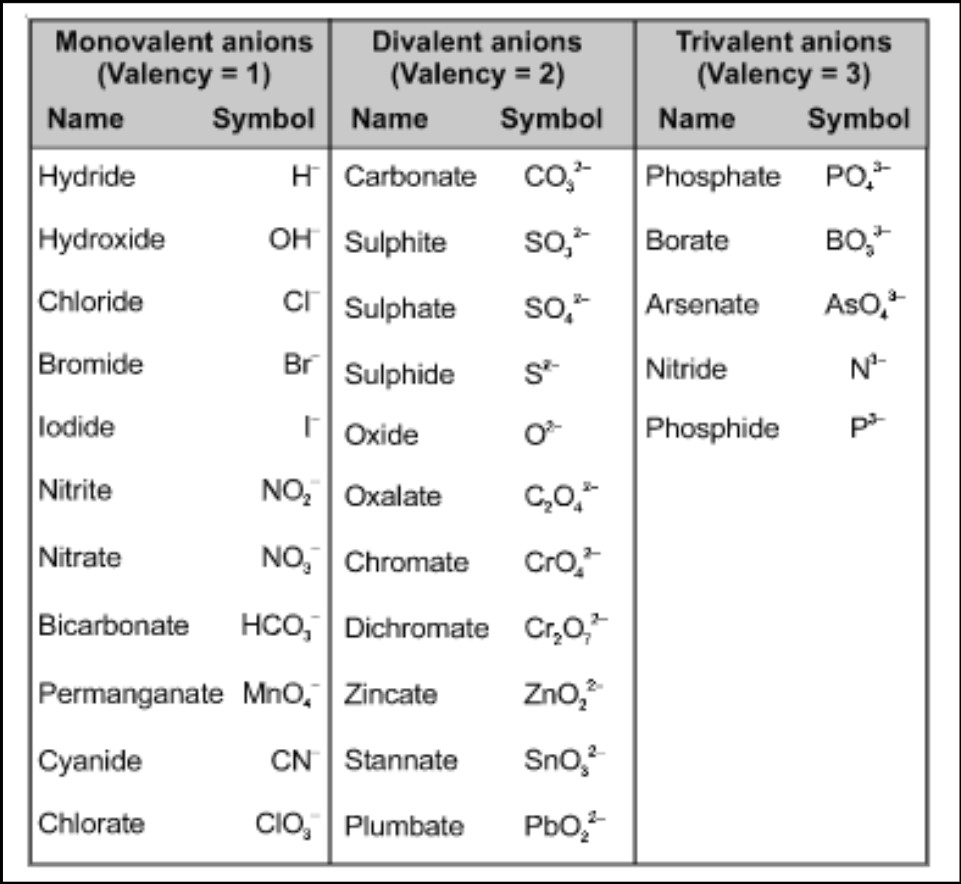
There are two primary types of valency: positive valency and negative valency.
- Positive Valency. This type of valency refers to the ability of an atom to lose electrons and form positive ions (cations). Elements with positive valency are usually found on the left side of the periodic table. For example, group 1 elements like sodium (Na) have a positive valency of 1, meaning they can lose one electron to form Na+.
- Negative Valency. Negative valency, on the other hand, pertains to the ability of an atom to gain electrons and form negative ions (anions). Elements with negative valency are typically located on the right side of the periodic table. For example, group 17 elements like chlorine (Cl) have a negative valency of 1, meaning they can gain one electron to form Cl-.
It’s important to note that the valency of an element can vary depending on the chemical reaction it undergoes. For example, oxygen can have a negative valency of 2 when forming compounds like O2-, but it can also exhibit a valency of -1 in compounds like H2O2 (hydrogen peroxide), where it gains an extra electron.
How Do We Calculate Valency
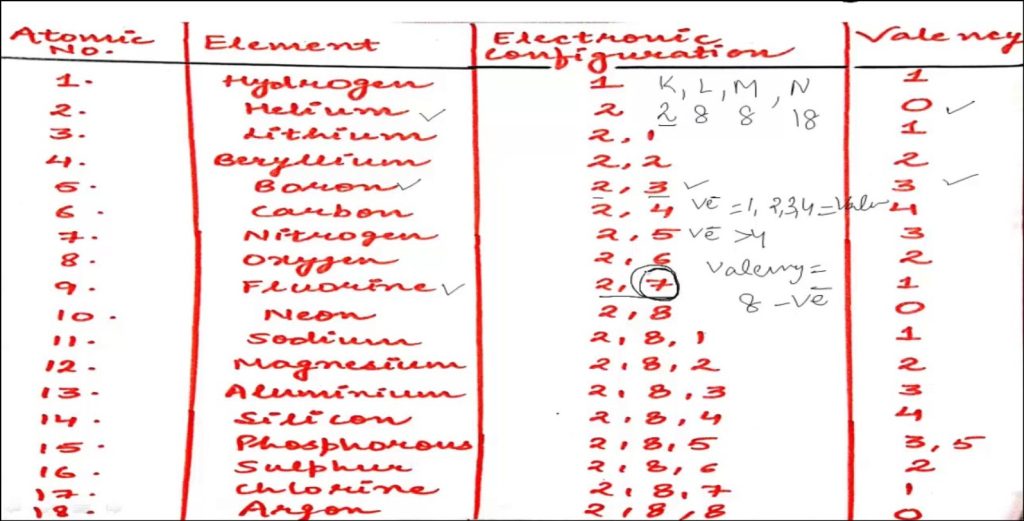
The What is Valency With Examples of an element can be calculated using the following steps:
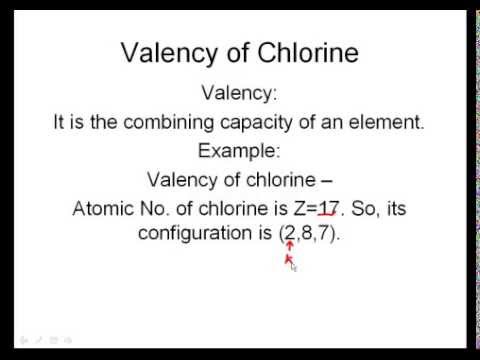
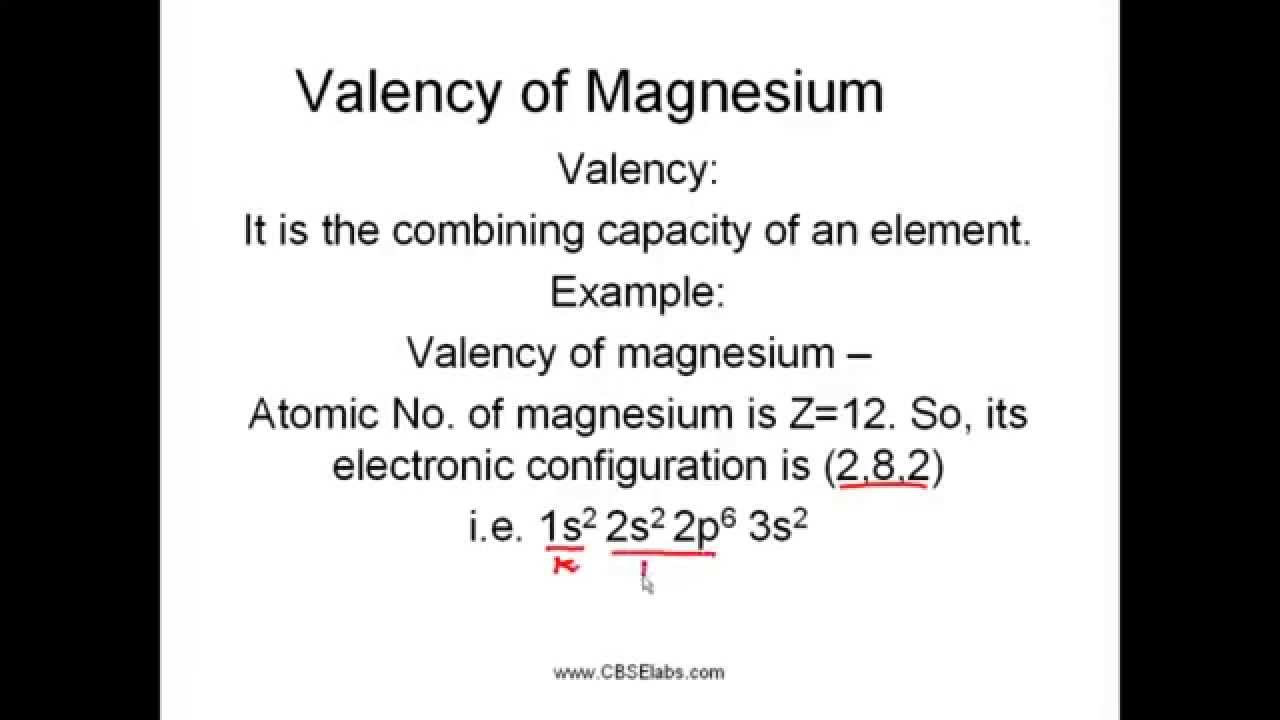
Step 1: Find the Electron Configuration : Write the electron configuration of the element to identify how its electrons are arranged. Pay special attention to the outermost shell (valence shell), as it determines the element’s bonding behavior.
Step 2: Count the Valence Electrons : Determine the number of valence electrons present in the outermost shell. These electrons participate in chemical bonding and are the key to finding an element’s valency.
Step 3: Calculate the Valency : Use the number of valence electrons to determine the valency:
- If the element has 1–4 valence electrons, its valency is usually equal to that number.
- If the element has 5–8 valence electrons, subtract the number of valence electrons from 8 to find the valency.
- Example: Sodium (Na) has 1 valence electron, so its valency is 1. Oxygen (O) has 6 valence electrons, so its valency is 2 (8 − 6 = 2).
Step 4: Check for Variable Valency : Some elements, especially transition metals, can have more than one valency because they can lose different numbers of electrons. For example, Iron (Fe) commonly shows valencies of 2 and 3, which are often represented using Roman numerals (Fe II and Fe III).
Step 5: Verify Using the Periodic Table : Use the Periodic Table to confirm your answer. Elements in the same group usually have the same number of valence electrons and therefore similar valency. This makes the periodic table a quick and reliable reference for predicting the valency of most elements.
By following these steps and understanding the periodic trends, you can calculate the valency of most elements, helping you predict their chemical behavior and interactions with other elements to form compounds.