Want to learn how to find the valency of elements quickly and easily? This beginner-friendly guide explains the concept of valency with simple rules, step-by-step methods, easy examples, and helpful diagrams. Whether you’re a school student, preparing for competitive exams, or simply improving your chemistry knowledge, you’ll discover the fastest way to determine the valency of any element, understand the periodic table, and solve chemistry questions with confidence.
Understanding valency of elements is one of the most important fundamentals in chemistry because it determines how atoms combine to form molecules and chemical compounds. By learning how to identify an element’s valence electrons, electronic configuration, and bonding capacity, you can easily predict chemical reactions, write correct chemical formulas, and understand ionic as well as covalent bonding. This guide breaks down every concept into easy-to-follow steps, making chemistry simple for beginners.
How To Find Valency of Elements?
If you’ve ever wondered “How do you calculate valency?” or “What is the valency of common elements?”, you’re in the right place. This comprehensive tutorial covers the valency chart, periodic table tricks, valency rules, solved examples, practice questions, and common mistakes to avoid. By the end of this guide, you’ll be able to determine the valency of almost any element accurately and build a stronger foundation for chemistry exams and everyday scientific learning.
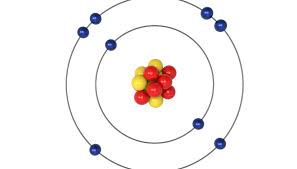
To find the valency of an element, follow these steps:
- Find the Electron Configuration: The easiest way to find the valency of an element is by identifying its electron configuration. Look at the number of valence electrons (electrons in the outermost shell), as they determine how an atom gains, loses, or shares electrons to achieve a stable electronic configuration. Knowing the valence electrons makes it much easier to calculate the element’s valency.
- Check the Group Number in the Periodic Table: The group number provides a quick clue to the valency of most main-group elements. Elements in Group 1 have one valence electron (valency 1), Group 2 have two (valency 2), while Groups 13–18 follow predictable patterns based on their outer-shell electrons. Learning these periodic table trends is one of the fastest ways to determine valency.
- Understand the Valency of Transition Metals: Transition metals often have more than one valency because they can lose different numbers of electrons from their outer shells. For example, iron (Fe) commonly has valencies of +2 and +3, while copper (Cu) shows +1 and +2. Always check a valency chart or the compound’s chemical formula when working with transition elements.
- Remember Common Exceptions: Not every element follows the standard valency rules. Hydrogen usually has a valency of +1, but it can also show −1 in metal hydrides. Elements such as oxygen, sulfur, nitrogen, and phosphorus may also exhibit multiple valencies depending on the compound they form. Learning these common exceptions will help you solve chemistry questions more accurately and avoid mistakes in exams.
By following these steps and understanding the periodic trends, you can find the valency of most elements accurately. Learn more about Valency:- Valency For All the Elements, Hassium Valence Electrons.
How To Find Valency Of Compounds?
The valency of compounds is determined by understanding the valency of individual elements that compose them. To find the valency of a compound, follow these steps:
- Write the Chemical Formula: Begin by writing the chemical formula of the compound. For ionic compounds, the chemical formula represents the ratio of ions present in the compound. For covalent compounds, the formula indicates the number of atoms of each element in the molecule.
- Identify the Elements: Identify the elements present in the compound and their corresponding valencies. You can find the valency of elements using the same methods as explained earlier.
- Balance the Charges: For ionic compounds, the total positive charge of cations should balance the total negative charge of anions. Use the valencies of elements to ensure the compound is electrically neutral. For example, in the compound sodium chloride (NaCl), sodium has a valency of +1, and chlorine has a valency of -1, resulting in a balanced compound.
- Understanding Oxidation States: For covalent compounds, understanding the concept of oxidation states or oxidation numbers of elements is crucial. The sum of oxidation states of all elements in a covalent compound should be zero, reflecting the electrical neutrality of the compound.
By following these steps and having a clear understanding of the valencies of individual elements, you can determine the valency of compounds accurately.
Valency Of Elements 1 to 30
The valency of elements from 1 to 30 varies based on their positions in the periodic table.
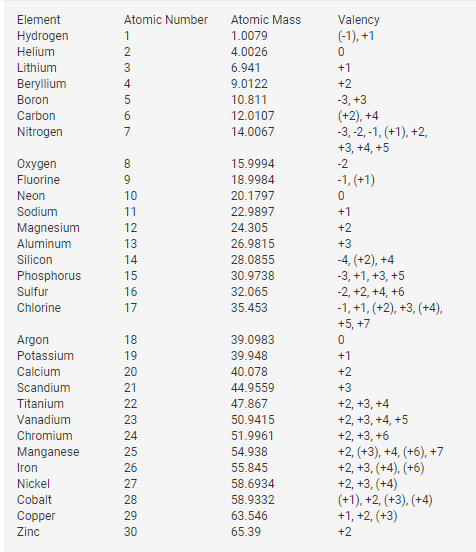
Here are the valencies of selected elements:
- Hydrogen (H) – Valency: 1 = Hydrogen has one valence electron, so its usual valency is 1. It forms one chemical bond to achieve a stable electron configuration. Examples include H₂O (water), HCl (hydrochloric acid), and CH₄ (methane).
- Helium (He) – Valency: 0 = Helium is a noble gas with a completely filled outer shell (2 electrons). Since it is already stable, its valency is 0 and it rarely forms chemical compounds.
- Lithium (Li) – Valency: 1 = Lithium belongs to Group 1 (Alkali Metals) and has one valence electron. It loses one electron to form stable compounds, giving it a valency of 1. Example: LiF (lithium fluoride).
- Beryllium (Be) – Valency: 2 = Beryllium is a Group 2 element with two valence electrons. It loses both electrons during bonding, so its valency is 2. Example: BeCl₂ (beryllium chloride).
- Boron (B) – Valency: 3 = Boron belongs to Group 13 and has three valence electrons. It commonly forms three covalent bonds, giving it a valency of 3. Example: BF₃ (boron trifluoride).
- Carbon (C) – Valency: 4 = Carbon has four valence electrons, making its valency 4. It can form four covalent bonds with other atoms, allowing it to create millions of organic compounds. Examples: CH₄ (methane), CO₂ (carbon dioxide), and C₂H₆ (ethane).
- Nitrogen (N) – Valency: 3 = Nitrogen has five valence electrons and typically requires three more electrons to complete its octet. Therefore, its most common valency is 3. Examples: NH₃ (ammonia) and N₂ (nitrogen gas, where each atom forms three bonds).
- Oxygen (O) – Valency: 2 = Oxygen has six valence electrons and usually gains or shares two electrons to complete its octet. Its common valency is 2. Examples: H₂O (water), CO₂ (carbon dioxide), and O₂ (oxygen gas).
- Fluorine (F) – Valency: 1 = Fluorine belongs to Group 17 (Halogens) and needs one electron to complete its outer shell. Therefore, its valency is 1. Examples: HF (hydrofluoric acid) and NaF (sodium fluoride).
- Neon (Ne) – Valency: 0 = Neon is another noble gas with a completely filled outer electron shell (8 electrons). It is chemically inert, so its valency is 0 and it rarely reacts with other elements.
The valency of elements beyond 30 can be determined similarly, keeping in mind periodic trends and electron configurations.
Valency Of Elements 1 to 20
The valency of elements from 1 to 20 showcases some fascinating chemical behavior.
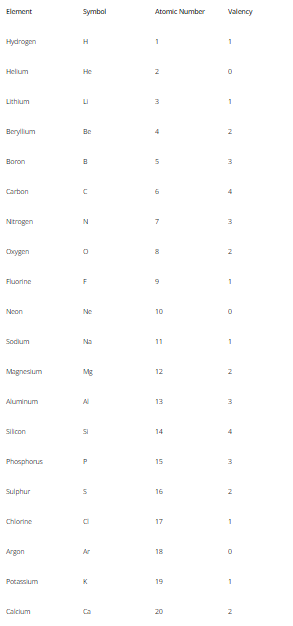
Here are the valencies of selected elements:
These valencies dictate how elements interact and combine to form various compounds, enabling the vast diversity of chemical reactions observed in the world around us.
Valency Of Elements List
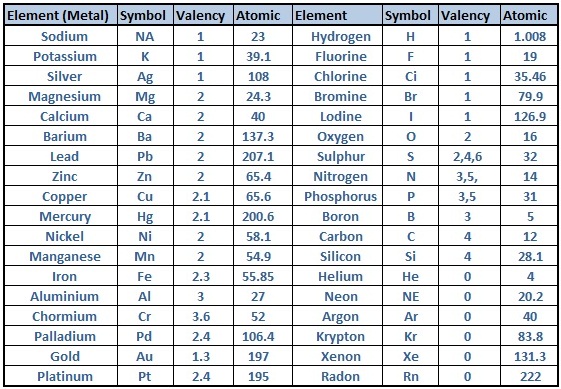
Here is a list of the valencies of selected elements:
- Hydrogen (H): +1
- Helium (He): 0
- Lithium (Li): +1
- Beryllium (Be): +2
- Boron (B): +3
- Carbon (C): +4 or -4
- Nitrogen (N): -3
- Oxygen (O): -2
- Fluorine (F): -1
- Neon (Ne): 0
- Sodium (Na): +1
- Magnesium (Mg): +2
- Aluminum (Al): +3
- Silicon (Si): +4 or -4
- Phosphorus (P): -3
- Sulfur (S): -2
- Chlorine (Cl): -1
- Potassium (K): +1
- Calcium (Ca): +2
- Iron (Fe): +2 or +3
This list showcases the valency of elements and their capability to combine with other elements to form a wide array of compounds, contributing to the vast complexity of the chemical world. Remember that the valency of elements beyond this list can also be determined by referring to the periodic table and understanding the electronic configurations.