Understanding the properties of potassium (K) is essential for learning how this highly reactive alkali metal behaves in different chemical reactions. Potassium, with atomic number 19, has unique physical and chemical properties that determine its reactivity, conductivity, and position in the periodic table. In this guide, you’ll explore the key properties of potassium in a simple, student-friendly way, making it easier to understand its characteristics, uses, and importance in chemistry.
The Chemical properties of Potassium are as follows;
|
Chemical Property |
Value |
|
Atomic Number |
19 |
|
Atomic Mass |
39.0983 g/mol |
| Electron Configuration |
[Ar] 4s¹ |
| Electronegativity (Pauling) |
0.82 |
|
Density |
0.862 g/cm³ |
|
Melting Point |
63.5°C |
| Boiling Point |
759°C |
|
Van der Waals Radius |
275 pm |
|
Ionic Radius (K⁺) |
138 pm |
|
First Ionization Energy |
418.8 kJ/mol |
|
Naturally Occurring Isotopes |
3 |
| Discovery |
Sir Humphry Davy (1807) |
Chemical Properties of Potassium
Potassium Periodic Table Symbol
The name of Potassium is derived from the English word potash. The chemical symbol of potassium is K. The symbol is taken from calcium that is the Mediaeval Latin word for potash, which was initially derived from the Arabic word qali that means alkali. It is a soft, white-silvery metal.
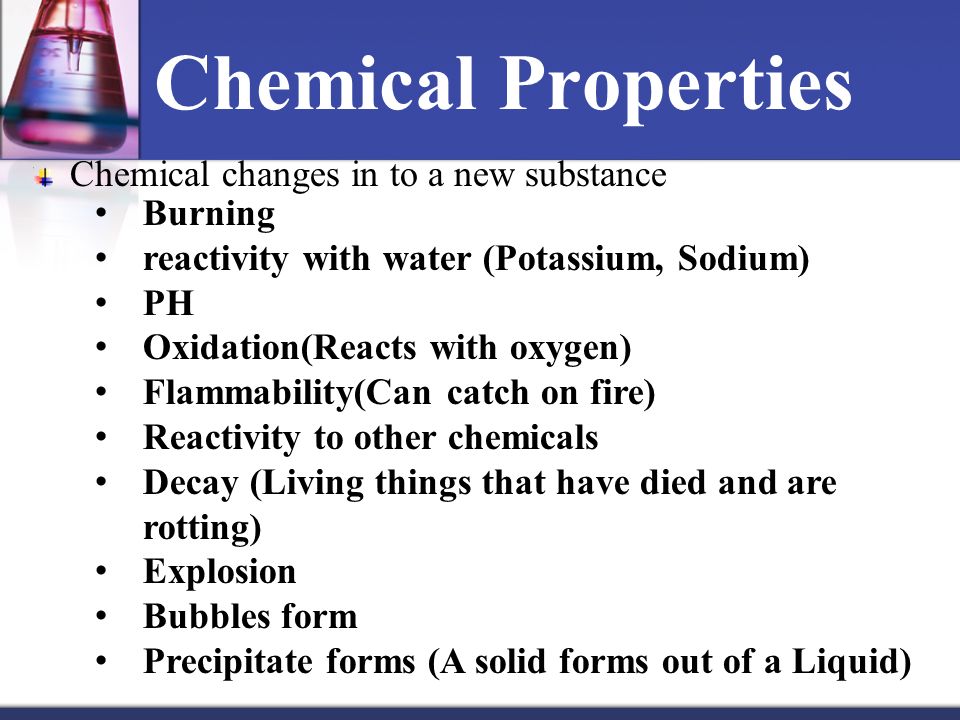
It is a member of the alkali group of the periodic table. It oxidizes instantly in the air and tarnishes within a few minutes that is why it is generally stored under grease or oil. Potassium is light so it can float in water and reacts instantly and releases hydrogen.
Who Discovered Potassium & Where is Potassium Found
In 1808, Sir Davy discovered the Potassium. It is available in the nineteenth column of the periodic table.
Facts About Potassium
- Potassium (K) is the seventh most abundant element in the Earth’s crust, making up about 1.5% of its mass.
- Sir Humphry Davy first isolated potassium in 1807 by using electrolysis of molten potassium hydroxide (KOH).
- Potassium is never found in its pure form in nature because it reacts rapidly with air and water.
- It naturally occurs in minerals, rocks, seawater, and ionic salts such as potassium chloride (KCl) and potassium sulfate (K₂SO₄).
- Pure potassium is produced commercially by electrolysis or by reducing molten potassium compounds.
- Potassium is a soft, silvery-white alkali metal that can be easily cut with a knife.
- It is the second least dense alkali metal, after lithium, allowing it to float on water.
- Due to its high reactivity, pure potassium is stored under mineral oil or in an inert argon atmosphere to prevent it from reacting with oxygen and moisture.
- When potassium reacts with water, it forms potassium hydroxide (KOH) and hydrogen gas, producing a characteristic lilac-colored flame.
- Potassium has one valence electron, making it highly reactive and enabling it to form a stable K⁺ ion in most chemical reactions.
- In water, it reacts with the hydrogen and forms heat.
What Are The Uses of Potassium?
The uses of potassium are as follows;
- It has strong properties of the base, therefore, Potassium can use to neutralize acids
- Potassium cyanide can dissolve precious metals like silver and gold.
- It can use for manufacturing daily use items.
- Potassium can used as a medium of heat transfer in many industries.
Leave a Reply